Siding vs Cladding: Cost, Durability and Long-Term Home Value
Siding vs Cladding: Cost, Durability and Long-Term Home Value sets the stage for this enthralling narrative, offering readers a glimpse into a story that is rich in detail and brimming with originality from the outset.
The discussion will delve into the comparison of initial costs, long-term maintenance expenses, durability in varying weather conditions, lifespan considerations, and the impact on home value when choosing between siding and cladding.
Cost
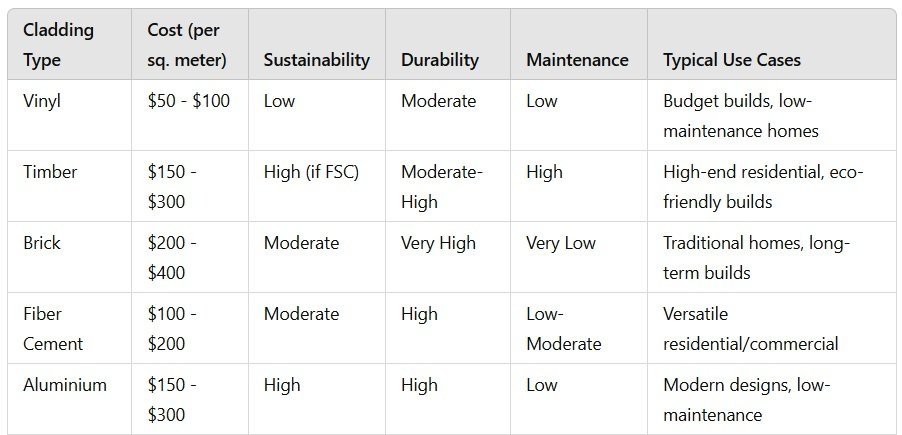
When it comes to choosing between siding and cladding for your home, cost is a significant factor to consider. Let’s delve into the comparison of initial costs, long-term maintenance expenses, and cost-saving strategies for each option.
Initial Cost
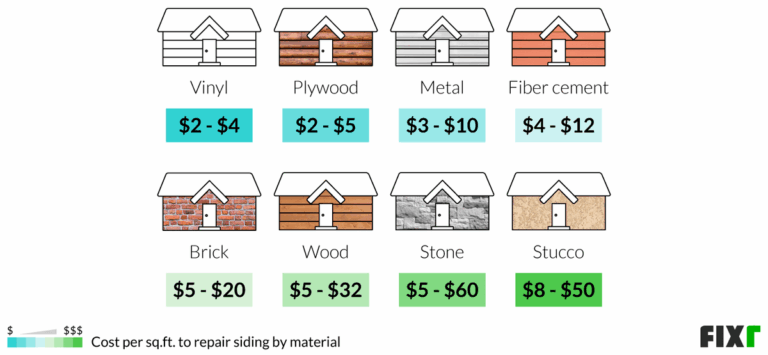
- Siding typically has a lower initial cost compared to cladding. Materials like vinyl or aluminum siding are generally more budget-friendly options.
- On the other hand, cladding materials such as fiber cement or natural stone tend to be more expensive upfront.
Long-Term Maintenance Costs
- While siding may have a lower initial cost, it can require more maintenance over time. Factors like weather exposure and wear and tear can lead to repairs or replacements, adding to long-term expenses.
- Cladding, although pricier initially, often requires less maintenance. Its durability and resistance to elements can result in lower long-term costs as you may not need frequent repairs or replacements.
Cost-Saving Strategies
- One cost-saving strategy when choosing siding is to opt for materials that offer good insulation properties. This can help reduce energy costs in the long run by improving your home’s energy efficiency.
- For cladding, consider investing in high-quality materials that are known for their longevity. While the initial cost may be higher, the durability of premium cladding can save you money in the future by avoiding early replacements.
Durability
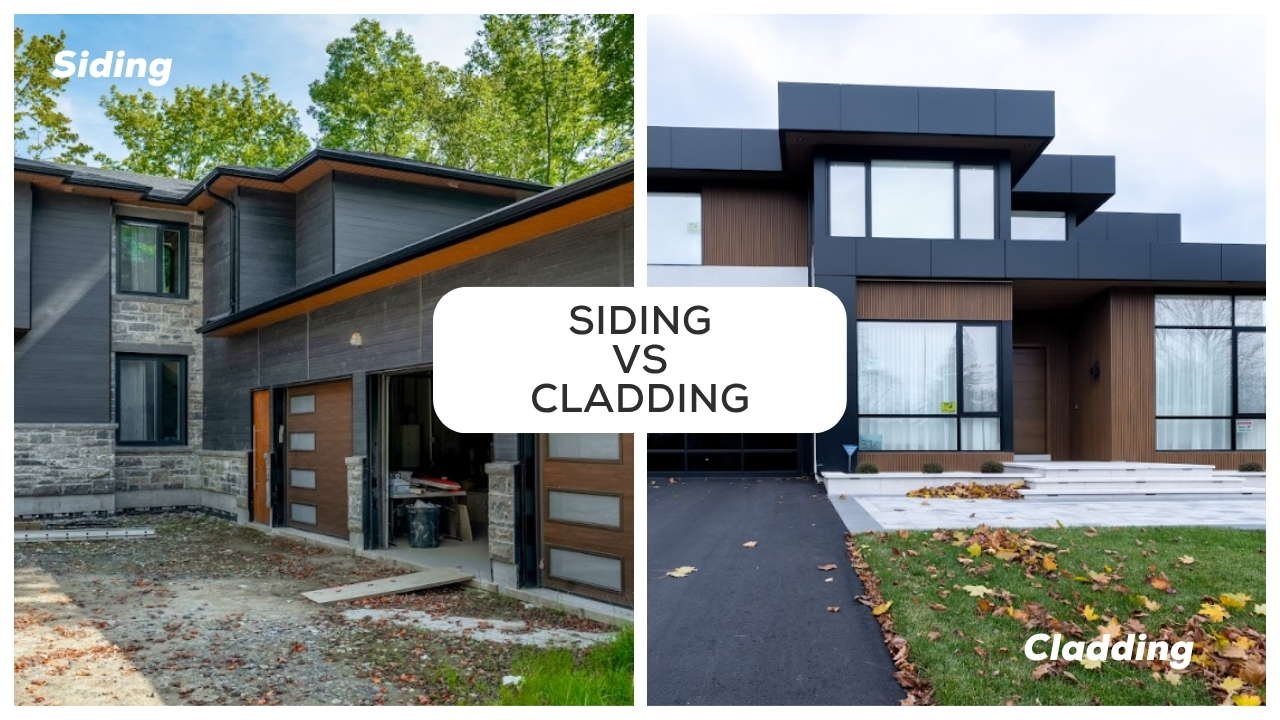
When it comes to the durability of siding materials, it is essential to consider how they perform in various weather conditions and their overall lifespan compared to traditional options. The impact of durability on maintenance requirements is also crucial to assess the long-term value of your home.
Weather Resistance
One of the key factors in determining the durability of siding materials is their ability to withstand different weather conditions. Vinyl siding, for example, is known for its resistance to moisture, making it a popular choice in areas prone to heavy rainfall or high humidity.
On the other hand, fiber cement siding is highly durable and can hold up well in extreme heat or cold.
Lifespan Comparison
Cladding, such as fiber cement or composite materials, generally has a longer lifespan compared to traditional siding options like wood or vinyl. Fiber cement siding, for instance, can last up to 50 years with proper maintenance, while vinyl siding typically lasts around 20-30 years.
This longer lifespan can result in fewer replacements over the years, ultimately saving you money in the long run.
Maintenance Requirements
The durability of siding materials directly impacts the maintenance requirements of your home. Durable materials like fiber cement or metal siding may require less frequent maintenance, such as painting or repairs, compared to wood siding that is more susceptible to rot and insect damage.
By choosing a durable siding option, you can reduce the time and money spent on upkeep, increasing the overall value of your home.
Long-Term Home Value
When considering the long-term value of a home, the choice between siding and cladding can play a significant role in determining the overall aesthetic appeal and resale value of the property.Siding choices can greatly impact the resale value of a home.
High-quality, durable siding materials can enhance the curb appeal of a property, making it more attractive to potential buyers. Additionally, certain types of siding, such as fiber cement or vinyl, can offer excellent longevity and require minimal maintenance, which can be appealing to future homeowners.
On the other hand, outdated or poorly maintained siding can detract from the overall value of a home, potentially leading to lower offers from buyers.
Enhancing Aesthetic Appeal with Cladding
Cladding options can significantly enhance the aesthetic appeal of a property. Modern cladding materials come in a variety of colors, textures, and styles, allowing homeowners to create a unique and visually appealing exterior for their home. For example, metal cladding can provide a sleek, contemporary look, while timber cladding can add a warm, natural feel to a property.
By choosing cladding that complements the architectural style of the home, homeowners can increase its overall curb appeal and potentially raise its resale value.
Correlation Between Long-Term Home Value and Siding vs Cladding
The choice between siding and cladding can have a direct impact on the long-term value of a home. Opting for high-quality siding or cladding materials that are durable, low-maintenance, and visually appealing can increase the overall value of a property.
Conversely, choosing cheap or outdated materials that require frequent repairs or replacements can lower the resale value of a home. Therefore, homeowners should carefully consider their options and choose siding or cladding that not only meets their aesthetic preferences but also enhances the long-term value of their property.
Essential Questionnaire
What are some cost-saving strategies when choosing between siding and cladding?
One common strategy is to compare the maintenance costs over the lifespan of the materials to determine the most cost-effective option.
How does the choice between siding and cladding impact the resale value of a home?
Siding choices can significantly affect the curb appeal and overall value of a home, whereas cladding can add a modern touch that appeals to potential buyers.
What are the primary factors that determine the durability of siding materials in various weather conditions?
The quality of the material, installation technique, and regular maintenance all play a crucial role in determining how well siding withstands different weather elements.