Whole House Renovation Cost: Labor, Materials, and Contractor Fees Explained
Embarking on the journey of Whole House Renovation Cost: Labor, Materials, and Contractor Fees Explained, this introduction sets the stage for an insightful exploration of the key components that shape renovation expenses.
The subsequent section delves into the intricate details surrounding labor, materials, and contractor fees, shedding light on the often overlooked aspects of renovation budgeting.
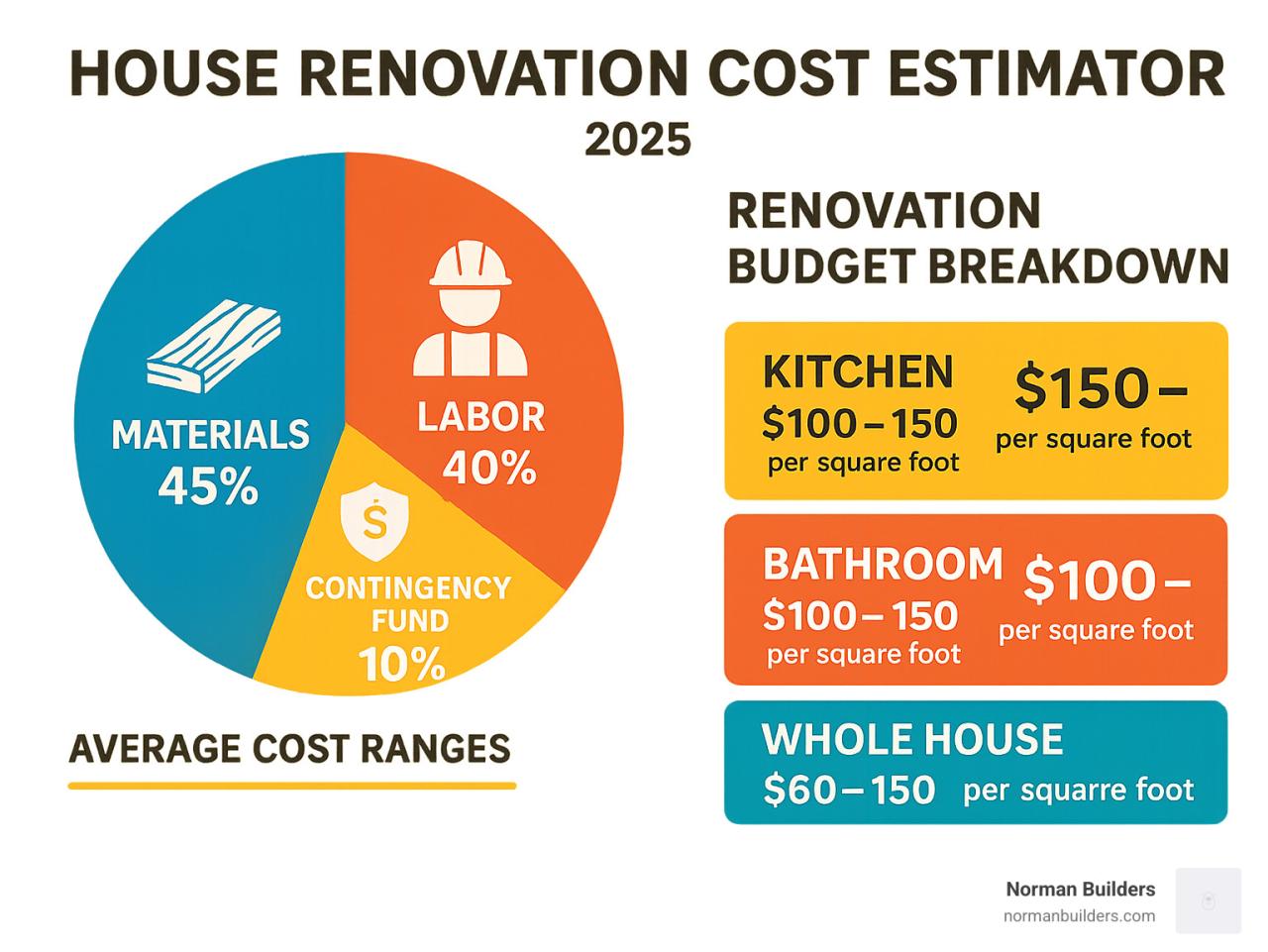
When it comes to renovating an entire house, there are several key factors that can significantly impact the overall cost of the project. Understanding these factors is crucial for budgeting and planning purposes.
The size of the house, typically measured in square footage, plays a major role in determining the cost of a renovation. Generally, the larger the house, the more materials and labor will be required, resulting in higher expenses. A larger house may also have more rooms and areas that need to be renovated, further driving up the costs.
The complexity of the renovation project can also influence the total expenses. Projects that involve structural changes, such as removing walls or adding new rooms, tend to be more expensive due to the additional labor and materials needed. Similarly, projects that require specialized skills or custom work may also incur higher costs.
The location of the house can impact renovation costs in several ways. Labor and material costs can vary depending on the region or city where the house is located. For example, urban areas may have higher labor costs, while rural areas may have limited access to certain materials, affecting prices.
Additionally, local building codes and regulations can also impact the cost of renovations.
The age of the house is another important factor to consider when estimating renovation expenses. Older houses may require more extensive renovations to update outdated systems and components, such as plumbing, electrical, or HVAC. Additionally, older houses may have hidden issues, like structural damage or mold, that can drive up costs during the renovation process.
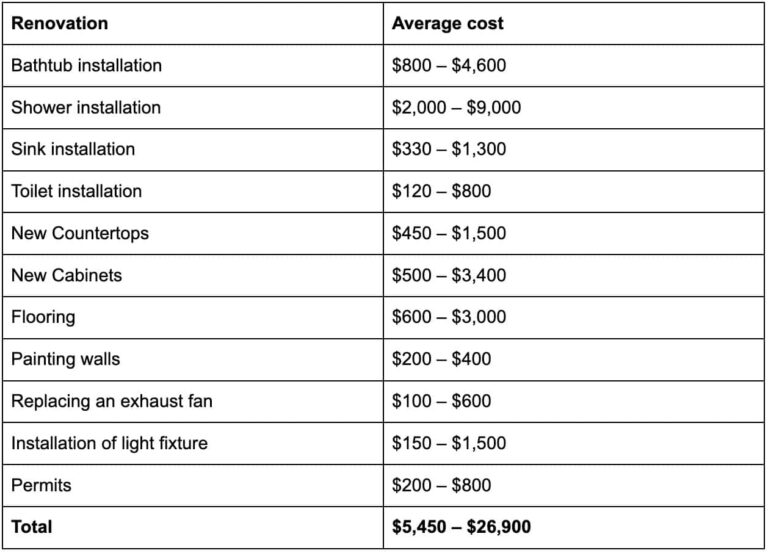
When it comes to renovating a whole house, labor costs play a significant role in determining the overall budget. Understanding how labor costs are broken down can help homeowners make informed decisions throughout the renovation process.Typical labor costs for different renovation tasks:
Discussing how labor costs vary based on expertise:Skilled labor, such as electricians or plumbers, may charge higher rates due to their specialized knowledge and experience. Tasks that require intricate details or craftsmanship will also result in higher labor costs compared to more straightforward jobs.Explaining the correlation between labor costs and project duration:The longer a renovation project takes, the higher the labor costs will be.
Delays, changes in the scope of work, or unforeseen issues can extend the project timeline, ultimately increasing labor expenses.Comparing labor costs for DIY renovations vs. hiring professional contractors:While some homeowners opt for a DIY approach to save money on labor costs, it’s essential to consider the expertise and time required for the project.
DIY renovations may be cheaper upfront, but mistakes or lack of experience can lead to costly repairs in the long run. Hiring professional contractors ensures quality workmanship and may result in a faster project completion time.
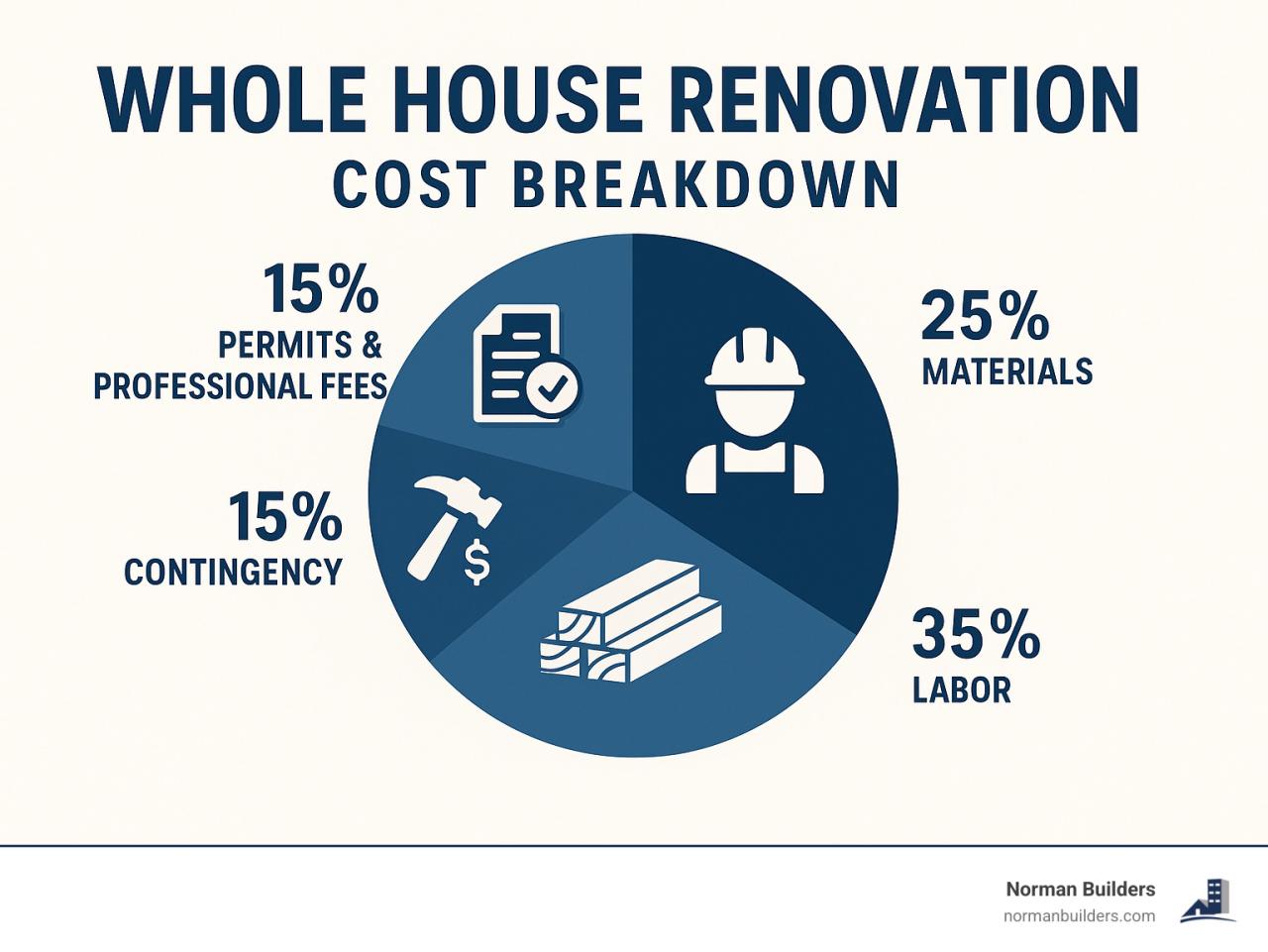
When it comes to whole house renovation costs, materials play a significant role in determining the overall expenses. The quality of materials used can greatly impact the cost of renovation, as higher quality materials tend to be more expensive but can offer better durability and aesthetics in the long run.
Using cost-effective materials can help reduce renovation expenses without compromising on quality. Some examples of cost-effective materials include:
The availability of materials can also impact renovation costs. Materials that are readily available locally are usually more cost-effective compared to those that need to be imported or specially ordered. Opting for materials that are easily accessible can help lower overall renovation expenses.
It is essential to choose durable materials during a renovation to avoid future maintenance costs. While durable materials may have a higher upfront cost, they can save money in the long term by reducing the need for frequent repairs or replacements.
Investing in high-quality materials can increase the longevity of your renovation and minimize ongoing maintenance expenses.
When it comes to whole house renovation costs, contractor fees play a significant role in determining the overall expense. Understanding the factors that contribute to these fees is essential for homeowners looking to budget effectively for their renovation project.
It is crucial for homeowners to obtain multiple quotes from different contractors to compare pricing and services offered. This can help ensure that they are getting a fair price for the renovation project and find a contractor that fits their budget and needs.
How does square footage impact renovation costs?
The larger the square footage, the higher the renovation costs due to increased materials and labor required.
What are some cost-effective materials for renovation projects?
Materials like laminate flooring and basic ceramic tiles are budget-friendly options for renovation projects.
Why is it important to obtain multiple quotes from contractors?
Getting multiple quotes allows for comparison of pricing and services offered, ensuring you get the best value for your renovation project.
How does the complexity of a project influence overall expenses?
A more complex project may require specialized labor and materials, leading to higher overall expenses.
What factors contribute to contractor fees?
Factors such as experience, reputation, and the scope of the project can influence contractor fees.