Bathroom Remodeling Near Me With Financing: Compare Contractors and Payment Plans
Exploring the world of Bathroom Remodeling Near Me With Financing: Compare Contractors and Payment Plans, this introduction sets the stage for an insightful discussion that delves into the intricacies of finding the right contractor and payment plan for your bathroom renovation project.
The following paragraphs will provide a detailed breakdown of the key factors to consider when embarking on a bathroom remodeling journey, from researching contractors to designing your dream project.
Researching Bathroom Remodeling Contractors
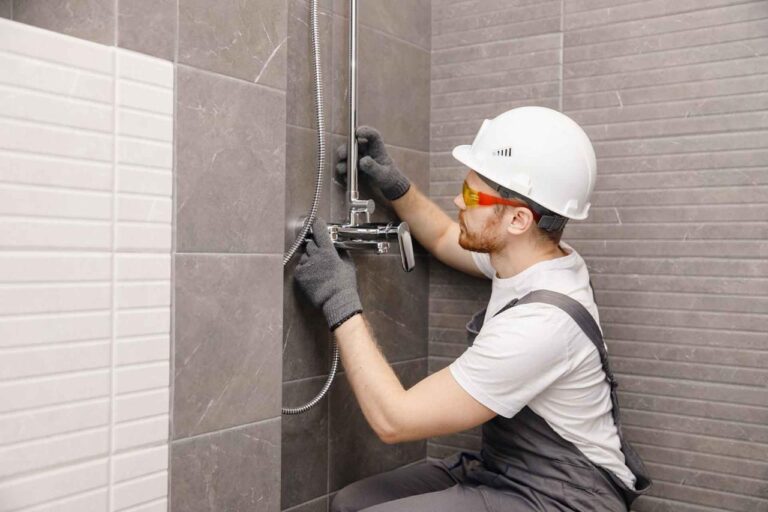
When embarking on a bathroom remodeling project, one of the most crucial steps is to thoroughly research and select the right contractor for the job. Here are some key points to consider when researching bathroom remodeling contractors:
Identify Top Local Contractors Specializing in Bathroom Remodeling
- Start by searching for local contractors who specialize in bathroom remodeling. Look for companies with a strong reputation and years of experience in the industry.
- Ask for recommendations from friends, family, or neighbors who have recently completed a bathroom renovation.
- Utilize online platforms such as websites, social media, and review sites to find highly-rated contractors in your area.
Compare Different Contractors Based on Reviews, Ratings, and Portfolios
- Read through customer reviews and testimonials to gauge the satisfaction levels of past clients.
- Check ratings on trusted websites like the Better Business Bureau or Angie’s List to evaluate the credibility of the contractors.
- Review the portfolios of different contractors to get a sense of their style, quality of work, and range of projects.
Discuss the Importance of Choosing a Contractor with Experience in Financing Options
- When selecting a contractor, it is crucial to choose one who has experience in offering financing options for your remodeling project.
- Discuss the financing plans available and ensure they align with your budget and needs.
- Work with a contractor who can provide transparent and flexible payment options to make your remodeling project more manageable.
Understanding Financing Options
When it comes to bathroom remodeling, financing options can play a crucial role in making the project more manageable. Let’s delve into the common financing plans offered by bathroom remodeling contractors and how they can impact the overall cost of your project.
- Traditional Loans: These are standard loans obtained from banks or financial institutions. They offer fixed interest rates and terms, making it easier to budget for the project. However, they may require a good credit score and can take longer to approve.
- Home Equity Loans: This type of loan allows you to borrow against the equity in your home. The interest rates are typically lower than traditional loans, and the interest may be tax deductible. On the downside, failure to repay can result in the loss of your home.
- Personal Loans: Personal loans are unsecured loans that can be used for various purposes, including home renovations. They offer flexibility in terms of repayment terms and can be easier to qualify for. However, they usually come with higher interest rates.
Advantages and Disadvantages of Financing Options
- Advantages:
- Allows you to complete the project without upfront costs.
- Enables you to choose a reputable contractor based on quality rather than affordability.
- Provides flexibility in payment options.
- Disadvantages:
- Accrual of interest can increase the overall cost of the project.
- Some financing options may require a good credit score.
- Defaulting on payments can result in financial penalties or loss of assets.
Impact of Financing on Project Cost
It’s essential to consider the total cost of the project, including interest and fees, when choosing a financing option. While financing can make the project more accessible, it’s crucial to weigh the long-term financial implications.
Comparing Payment Plans
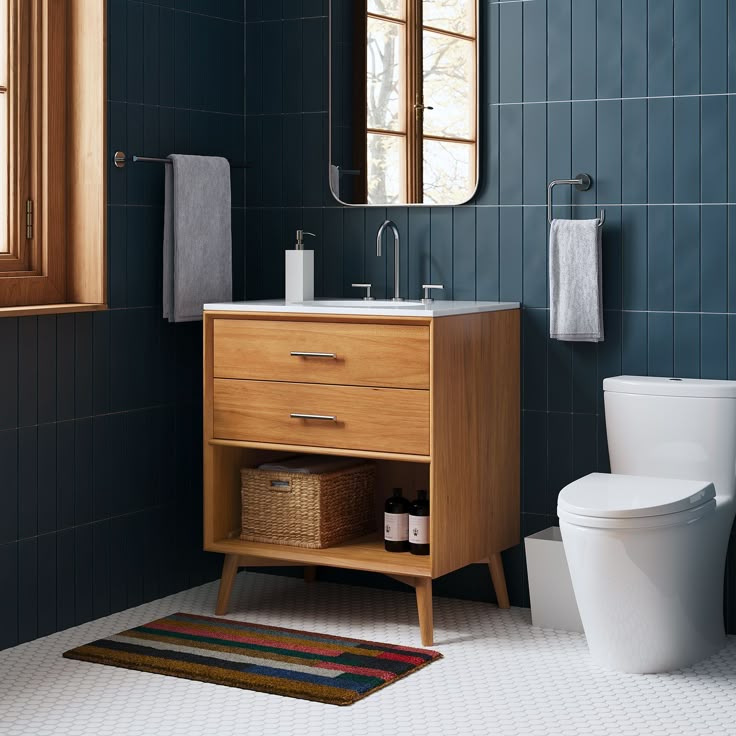
When considering a bathroom remodeling project, it’s essential to compare the payment plans offered by different contractors. This comparison can help you find a plan that fits your budget and financial situation.Interest rates, down payments, and repayment terms are crucial factors to consider when comparing payment plans.
Some contractors may offer low-interest rates but require a higher down payment, while others may have more flexible repayment terms but slightly higher interest rates.
Payment Plan Options
- Contractor A: 3% interest rate, 20% down payment, 36-month repayment term
- Contractor B: 4% interest rate, 15% down payment, 48-month repayment term
- Contractor C: 5% interest rate, 10% down payment, 24-month repayment term
It’s important to choose a payment plan that not only fits your budget but also offers reasonable terms for repayment.
Flexible Payment Options
- Monthly Installments: Spread the cost of the remodel over several months to make it more manageable.
- Deferred Payments: Some contractors may offer a period with no payments due, allowing you to save up before starting payments.
- Customized Plans: Work with the contractor to create a personalized payment plan based on your financial situation.
Assessing Contractor Credibility
When it comes to a bathroom remodeling project, choosing the right contractor is crucial for a successful outcome. Assessing the credibility of a contractor involves considering various key factors to ensure they are reliable and capable of delivering high-quality work.
Checking Licenses, Insurance, and Certifications
Before hiring a contractor for your bathroom remodel, it is essential to verify that they have the necessary licenses, insurance, and certifications. This ensures that the contractor meets the legal requirements to operate in your area and has the proper training to complete the job safely and effectively.
- Make sure the contractor is licensed to work in your state or locality. This demonstrates that they have met the minimum requirements set by regulatory bodies.
- Ask for proof of insurance, including liability insurance and workers’ compensation coverage. This protects you from liability in case of accidents or damage during the project.
- Check if the contractor holds any relevant certifications or memberships in professional associations. This can indicate their commitment to quality and ongoing education in their field.
Verifying References and Past Work
One of the best ways to assess the quality of a contractor’s work is by checking references and reviewing their past projects. This can give you insight into their workmanship, reliability, and professionalism.
- Ask the contractor for a list of references from previous clients and take the time to contact them. Inquire about their experience working with the contractor and the outcome of their projects.
- Request to see photos or visit completed projects similar to yours. This allows you to evaluate the contractor’s style, attention to detail, and overall quality of work.
- Look for online reviews and ratings on reputable websites to gather additional feedback from other customers. Pay attention to any recurring positive or negative comments about the contractor.
Designing Your Remodeling Project
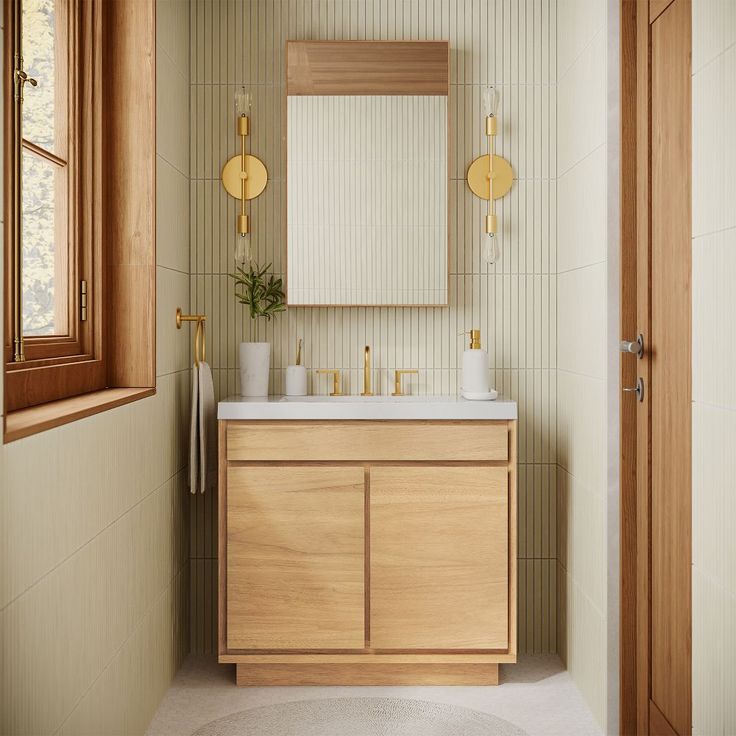
When it comes to designing your bathroom remodeling project, it’s essential to consider both aesthetics and functionality. Here is a step-by-step guide to help you create the bathroom of your dreams.
Popular Design Trends, Materials, and Fixtures
- Consider incorporating neutral colors like white, gray, or beige for a timeless look.
- Opt for materials such as porcelain tiles, marble, or quartz for a luxurious feel.
- Install modern fixtures like rainfall showerheads, freestanding tubs, and floating vanities for a contemporary touch.
Tips for Maximizing Space and Functionality
- Choose space-saving storage solutions like wall-mounted cabinets and recessed shelving.
- Install a larger mirror to create the illusion of a bigger space.
- Consider a walk-in shower with a glass enclosure to enhance the visual appeal of the bathroom.
Planning for Unexpected Costs

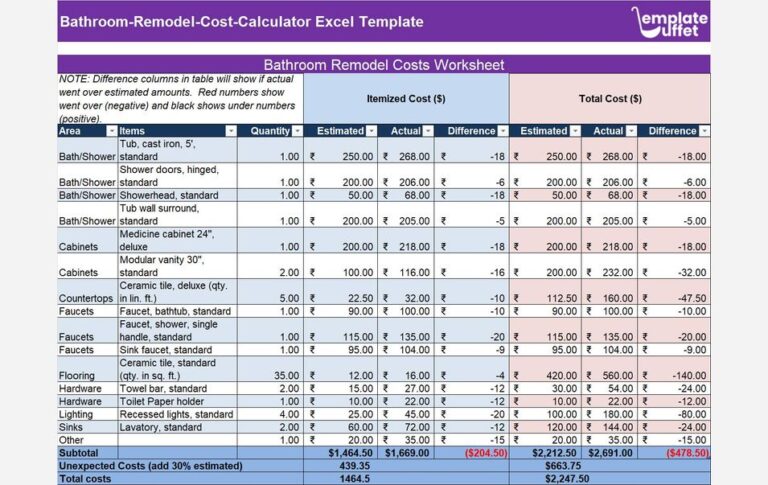
When embarking on a bathroom remodeling project, it’s crucial to plan for unexpected costs that may arise during the process. Unforeseen issues such as plumbing problems, structural issues, or hidden damage can significantly impact your budget. Here are some strategies to help you prepare for these unexpected expenses:
Setting Aside Contingency Funds
One effective way to budget for unexpected costs is to set aside a contingency fund. This fund should ideally be around 10-20% of your total project budget and should only be used for emergencies or unforeseen expenses. By having this buffer in place, you can avoid financial stress if unexpected issues arise.
Importance of Including Buffer Funds
Including buffer funds in your overall project budget is essential to ensure that you have enough resources to cover any unexpected costs that may come up. Without a contingency plan in place, you may find yourself having to cut corners or compromise on the quality of materials or workmanship to stay within budget.
By including buffer funds from the start, you can proceed with your remodeling project with peace of mind, knowing that you are prepared for any surprises that may arise.
Question Bank
What should I look for when researching bathroom remodeling contractors?
When researching contractors, it’s crucial to consider their experience, reviews, ratings, and portfolio to ensure they are the right fit for your project.
What are some common financing options offered by bathroom remodeling contractors?
Common financing options include personal loans, home equity loans, credit cards, and contractor financing plans.
How can I assess the credibility of a contractor?
Check for licenses, insurance, certifications, and verify references and past work to ensure the contractor is credible and reliable.
What are some popular design trends for modern bathrooms?
Popular design trends include minimalist aesthetics, smart technology integration, and eco-friendly fixtures for a modern bathroom look.
How should I budget for unexpected costs during a bathroom remodeling project?
Allocate a contingency fund for unforeseen expenses and include buffer funds in your overall project budget to account for unexpected costs.