How to Compare Home Repair Quotes After Storm Damage
Delving into How to Compare Home Repair Quotes After Storm Damage, this introduction immerses readers in a unique and compelling narrative, with engaging information on navigating the aftermath of a storm and dealing with repair costs.
Exploring the intricacies of comparing quotes, understanding contractor credentials, evaluating costs, and assessing repair plans post-storm damage will equip homeowners with the knowledge needed to make informed decisions.
Understanding Home Repair Quotes
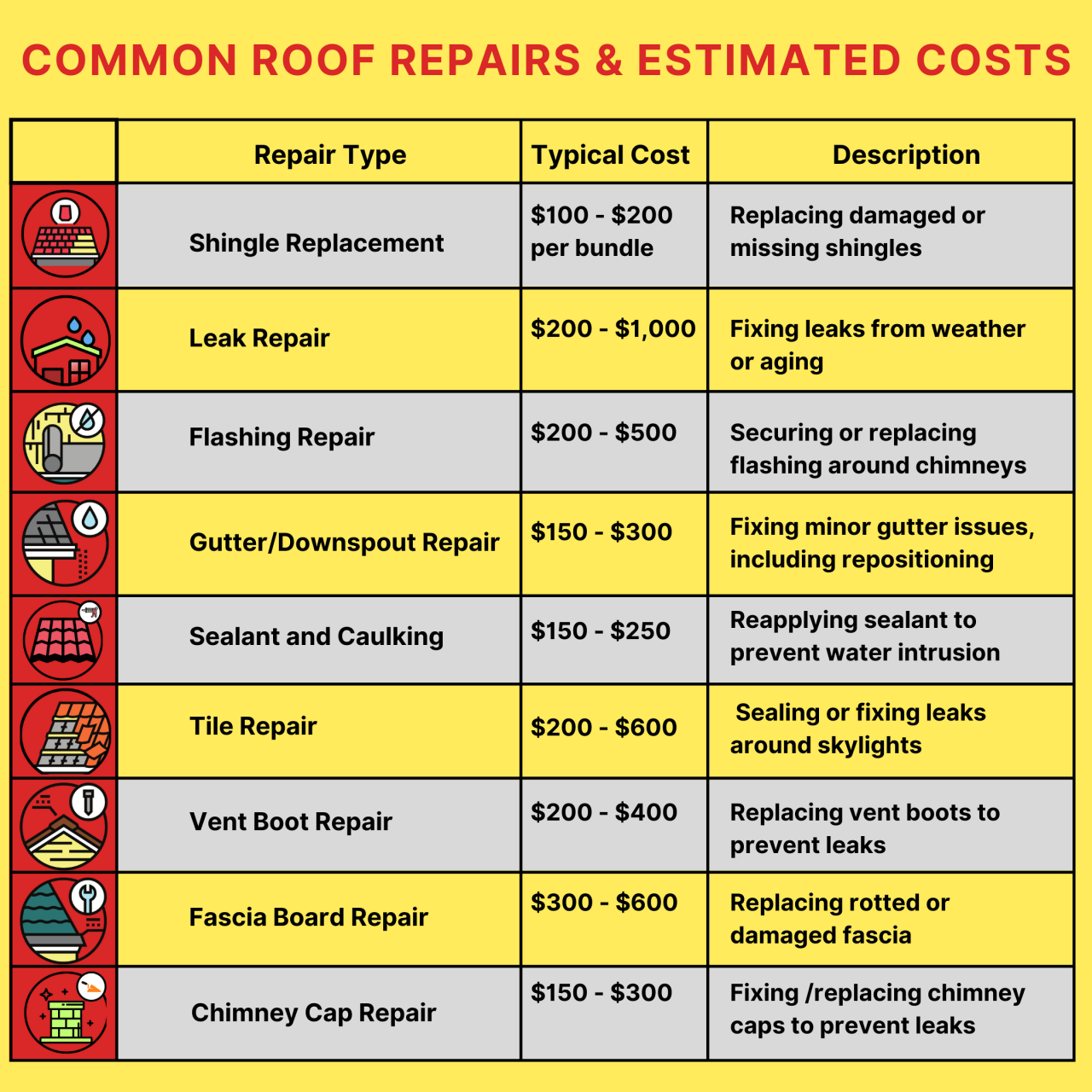
When dealing with home repair quotes after storm damage, it’s essential to understand the various components that are typically included in these estimates. These components can vary depending on the extent of the damage and the specific repairs needed.
Components of a Home Repair Quote
- Materials: This includes the cost of all the materials required for the repair, such as lumber, roofing shingles, drywall, paint, etc.
- Labor Costs: This covers the cost of the labor required to complete the repairs, including the hourly rate of the workers and the estimated number of hours needed.
- Permits and Inspections: Some quotes may include fees for permits and inspections required by local authorities.
- Cleanup and Disposal: The cost of cleaning up debris and disposing of materials may also be included in the quote.
- Contingency: Some quotes may include a contingency amount to cover unexpected costs that may arise during the repair process.
Examples of Common Items in Home Repair Quotes
- Replacing roof shingles
- Repairing drywall and repainting
- Fixing electrical wiring
- Replacing damaged windows or doors
- Repairing structural damage
Evaluating Contractor Credentials
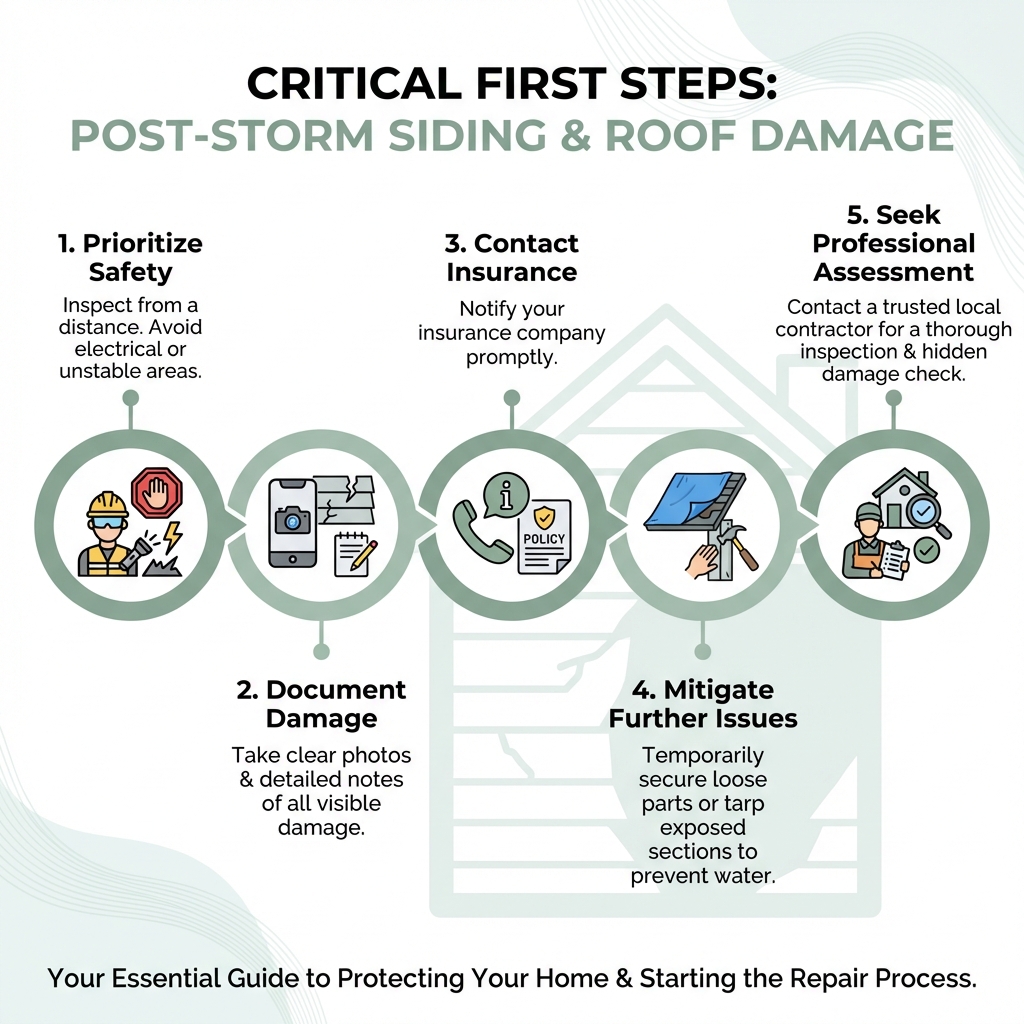
When comparing contractors for home repair after storm damage, it is crucial to evaluate their credentials to ensure you are hiring a reputable and qualified professional. Here are key credentials to look for and tips on how to verify them:
Insurance Verification
- Ensure the contractor has liability insurance to protect you in case of accidents or damage during the repair process.
- Ask for a copy of their insurance certificate and verify its validity with the insurance provider.
License and Certification
- Check if the contractor holds the necessary licenses required by your state or local authorities to perform home repairs.
- Verify any certifications or memberships in professional organizations that demonstrate their expertise and commitment to quality work.
Reputation and Past Work
- Research online reviews, testimonials, and ratings from previous clients to gauge the contractor’s reputation.
- Ask for references and contact them to inquire about their experience working with the contractor and the quality of the repairs.
Comparing Costs and Estimates
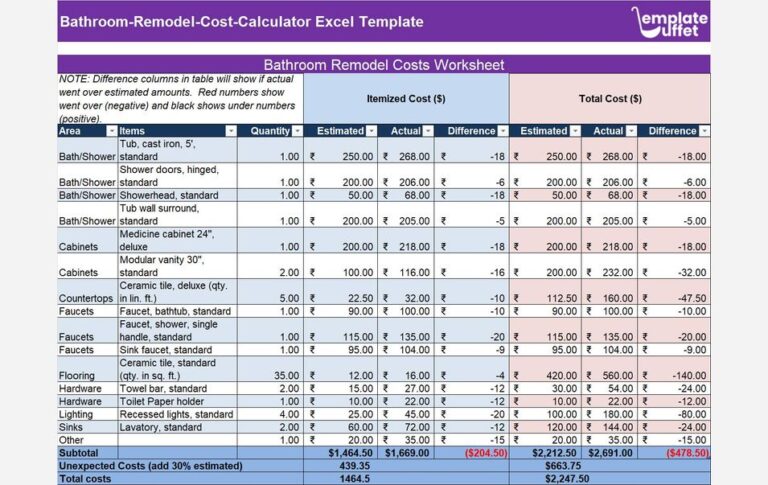
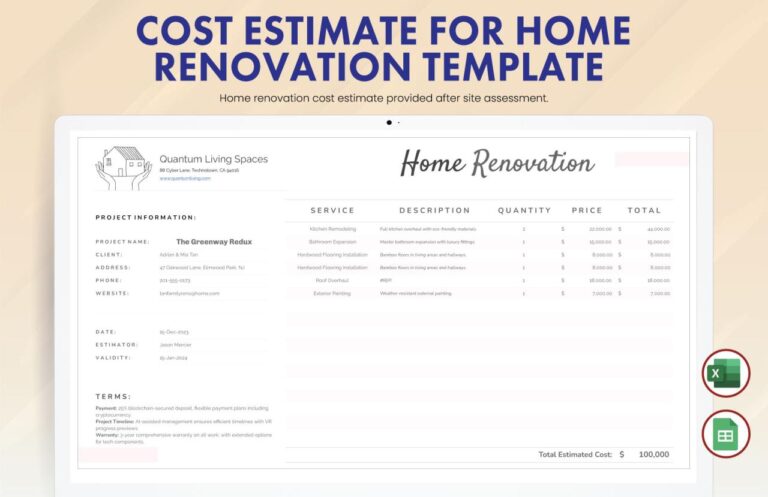
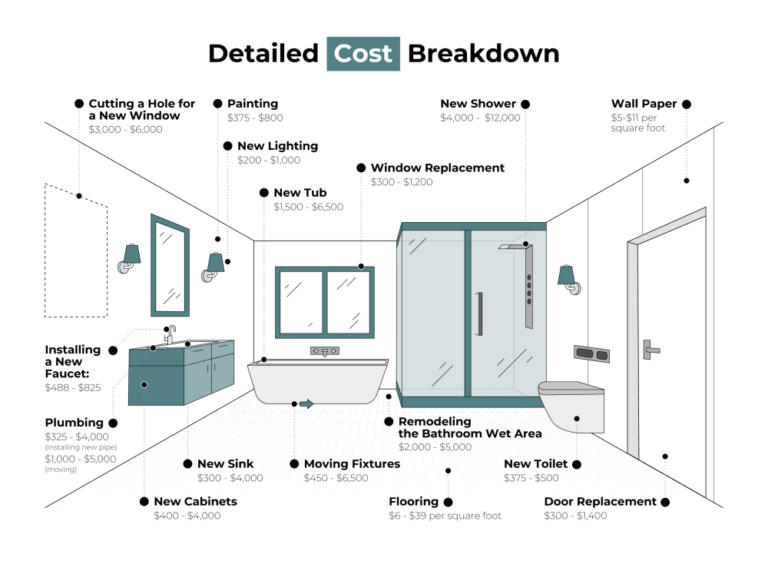
When comparing costs and estimates for home repair quotes after storm damage, it is crucial to carefully analyze the total cost of each quote to ensure accuracy and fairness. By comparing itemized costs and estimates, homeowners can gain a better understanding of the scope of work and the breakdown of expenses involved in the repair process.
This information can help homeowners make informed decisions and avoid any hidden costs or surprises down the line.
Analyzing Total Cost
- Review each repair quote in detail to understand the total cost of materials, labor, and any additional fees included in the estimate.
- Compare the total cost of each quote to ensure that all necessary repairs are covered and that there are no discrepancies in pricing.
- Consider the reputation and experience of the contractor when evaluating the total cost, as higher-quality workmanship may come at a higher price.
Significance of Itemized Costs
- Itemized costs provide a breakdown of expenses, allowing homeowners to see exactly where their money is going and identify any potential areas for cost savings.
- Comparing itemized costs can help homeowners identify any discrepancies or inflated prices, enabling them to negotiate with contractors for a fairer estimate.
- Itemized costs also help homeowners prioritize repairs based on urgency and budget constraints, ensuring that essential repairs are addressed first.
Strategies for Negotiating Pricing
- Requesting multiple quotes from different contractors can provide leverage for negotiation, as homeowners can use competing estimates to negotiate a better price.
- Discussing the scope of work and asking for clarification on specific costs can help homeowners negotiate a more accurate and transparent estimate.
- Being open to compromise and flexible with timelines can also help in negotiating pricing, as contractors may be more willing to adjust costs for accommodating clients.
Assessing Repair Plans and Timelines
When reviewing home repair quotes after storm damage, it is crucial to assess the repair plans and timelines provided by each contractor. Understanding the scope of work and the projected timeline for completion will help you make an informed decision and ensure that the repairs are done efficiently and effectively.
Reviewing Repair Plans
- Check if the repair plans address all the damage caused by the storm, including both visible and hidden issues.
- Ensure that the repair plans detail the materials and techniques that will be used to fix the damage.
- Look for any additional recommendations or suggestions provided by the contractor to prevent future storm damage.
Importance of Considering Timelines
- Timelines are crucial as they help you plan for the repair process and coordinate with the contractor.
- Consider the estimated start and completion dates to make sure they align with your schedule and expectations.
- Ask the contractor about any potential delays or obstacles that could affect the timeline.
Ensuring Comprehensive Repair Plans
- Verify that the repair plans cover all necessary storm damage repairs, not just cosmetic fixes.
- Ensure that the contractor addresses structural damage, electrical issues, plumbing problems, and any other storm-related concerns.
- Ask for clarification on any vague or unclear details in the repair plans to avoid misunderstandings later on.
FAQs
What are the key components typically included in a home repair quote?
Home repair quotes usually consist of materials, labor costs, permits, and any additional charges for specialized services or equipment.
How important is it to verify a contractor’s insurance, licenses, and certifications?
Verifying a contractor’s insurance, licenses, and certifications is crucial to ensure they are qualified, legitimate, and covered in case of any mishaps during the repair process.
What strategies can be used for negotiating pricing with contractors?
Negotiating pricing with contractors can involve getting multiple quotes, comparing them, discussing cost breakdowns, setting a budget, and being willing to compromise on certain aspects to reach a mutually beneficial agreement.
Why is it necessary to review repair plans and timelines in detail?
Reviewing repair plans and timelines is essential to ensure that all necessary repairs are addressed, understand the scope of work, and have a clear idea of how long the repair process will take.