How Much Do Exterior Renovation Contractors Charge in 2026? – Unveiling the Costs of Transforming Your Space
Curious about the price tags attached to exterior renovation projects in 2026? Let’s delve into the intricate world of renovation costs and explore the key factors that shape pricing strategies. From material choices to regional influences, this discussion promises to unravel the mysteries behind contractor charges.
As we navigate through the realm of exterior renovations, prepare to uncover the secrets that dictate how much you’ll pay to give your space a fresh new look.
Factors Affecting Exterior Renovation Costs in 2026

When it comes to determining how much exterior renovation contractors charge in 2026, several key factors play a significant role in influencing the final pricing. These factors include material costs, labor expenses, and the complexity of the renovation project.
Material Costs
The type and quality of materials used in an exterior renovation project can have a substantial impact on the overall cost. High-end materials such as premium siding options or energy-efficient windows will naturally come with a higher price tag compared to more budget-friendly alternatives.
Additionally, market fluctuations and availability of certain materials can also affect pricing.
Labor Expenses
Labor costs are another crucial factor that contributes to the total cost of exterior renovation projects. Skilled labor is essential for ensuring the quality and timely completion of the work. Factors such as labor rates, experience level of the workers, and project duration can all influence how much contractors charge for their services.
Project Complexity
The complexity of the renovation project, including the size of the property, the extent of the work required, and any unique challenges or customization involved, can impact pricing significantly. Projects that require specialized skills or equipment, or those that involve structural changes, will generally cost more than simpler, straightforward renovations.
Regional Variances in Exterior Renovation Pricing
Geographical location plays a significant role in determining the pricing strategies of exterior renovation contractors. Factors such as urban versus rural settings, climate conditions, and local regulations can all impact the cost of exterior renovations in different regions.
Urban vs. Rural Settings
In urban settings, where demand for exterior renovation services is typically higher, contractors may charge higher prices due to increased competition and operating costs. On the other hand, in rural areas where demand may be lower, contractors might offer more competitive pricing to attract customers.
Climate Conditions
Regions with extreme weather conditions, such as areas prone to hurricanes or heavy snowfall, may see higher renovation costs due to the need for specialized materials and construction techniques to withstand harsh elements. Contractors may also need to account for longer project timelines in these regions.
Local Regulations
Local building codes and regulations can also impact exterior renovation costs. Some regions may require additional permits or inspections, which can add to the overall project expenses. Contractors may need to factor in compliance with specific regulations, affecting pricing accordingly.
Emerging Trends Shaping Exterior Renovation Costs
As the exterior renovation industry continues to evolve, several emerging trends are shaping the costs associated with these projects. From innovative technologies to a growing emphasis on sustainability, these factors are influencing how contractors price their services and materials.
Innovative Materials and Technologies
Advancements in materials and technologies are revolutionizing the exterior renovation landscape. For instance, the use of smart home systems, energy-efficient windows, and eco-friendly siding options are becoming more prevalent. While these materials may come at a higher initial cost, the long-term benefits in terms of energy savings and durability are appealing to homeowners.
As a result, contractors may need to adjust their pricing to accommodate these innovative solutions.
Sustainability and Green Building Practices
The shift towards sustainability and green building practices is also impacting exterior renovation costs. Many homeowners are now prioritizing eco-friendly options that reduce their carbon footprint and promote energy efficiency. This demand for sustainable materials and practices can lead to higher costs for contractors who specialize in green building.
From solar panels to recycled materials, the emphasis on sustainability is driving up prices in the industry.
Consumer Preferences for Eco-Friendly Options
Consumer preferences play a significant role in shaping exterior renovation costs. With a growing awareness of environmental issues, more homeowners are opting for eco-friendly solutions that align with their values. This shift in consumer preferences towards sustainable materials and energy-efficient upgrades can influence contractor pricing.
As the demand for eco-friendly options continues to rise, contractors may need to adjust their pricing strategies to cater to this market trend.
Pricing Models and Payment Structures in Exterior Renovation
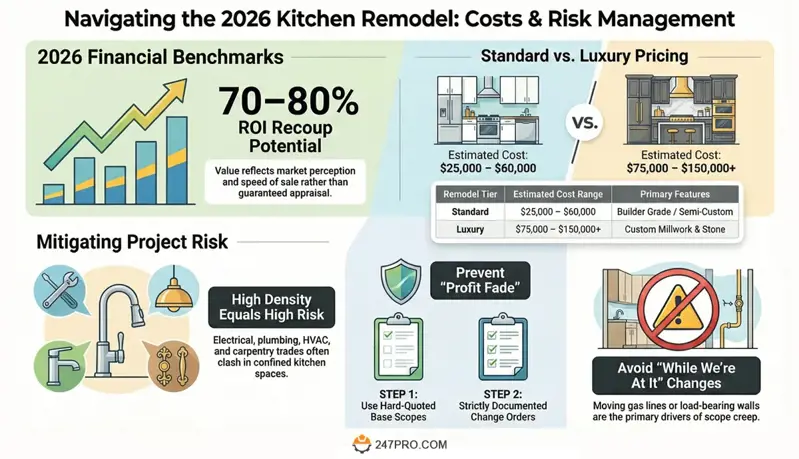
In the realm of exterior renovations, contractors typically utilize various pricing models and payment structures to determine costs and manage client expectations. Understanding these models and structures can help homeowners make informed decisions about their renovation projects.
Common Pricing Models
- Fixed-Price Contracts: In this model, the contractor provides a set price for the entire project, regardless of any unexpected costs or changes. This offers predictability for clients but may result in higher initial costs to accommodate any potential risks.
- Cost-Plus Contracts: With this model, the contractor charges the client for the actual cost of materials and labor, plus a percentage of that cost as profit. While it provides transparency into costs, clients may end up paying more if the project runs over budget.
- Time and Materials Contracts: In this model, clients pay for the actual hours worked and materials used, plus an agreed-upon markup. This offers flexibility for changes during the project but can lead to uncertainty in the final cost.
Impact of Payment Structures on Overall Costs
- Fixed-Price Contracts: Advantages include clear upfront pricing and reduced financial risk for clients. However, contractors may inflate initial costs to cover any potential overruns or changes.
- Cost-Plus Contracts: Clients benefit from transparency in costs and the potential to save money if the project stays within budget. Yet, the risk of exceeding the budget exists, leading to higher overall costs.
- Time and Materials Contracts: Clients have flexibility to make changes during the project without the need for extensive planning upfront. However, the final cost can be uncertain, and clients may end up paying more than expected.
General Inquiries
What are the key factors influencing exterior renovation costs in 2026?
The key factors include material costs, labor expenses, and project complexity, all of which play a significant role in determining contractor charges.
How do geographical locations impact exterior renovation pricing?
Geographical locations can influence pricing due to differences in urban versus rural settings, climate conditions, and local regulations that affect renovation costs.
What are some emerging trends affecting exterior renovation costs?
New technologies, sustainability trends, and consumer preferences for eco-friendly options are shaping the pricing of exterior renovation projects in 2026.
What are the common pricing models used by contractors for exterior renovations?
Contractors may use fixed-price contracts, cost-plus contracts, or time and materials contracts, each with its own advantages and disadvantages that impact overall costs.