House Siding Replacement Cost Per Square Foot: 2026 Price Guide
House Siding Replacement Cost Per Square Foot: 2026 Price Guide sets the stage for this enthralling narrative, offering readers a glimpse into a story that is rich in detail with a casual formal language style and brimming with originality from the outset.
As we delve deeper into the intricacies of house siding replacement costs per square foot, we uncover a world where factors like materials, labor, and trends play a pivotal role in determining the overall expenses homeowners may incur.
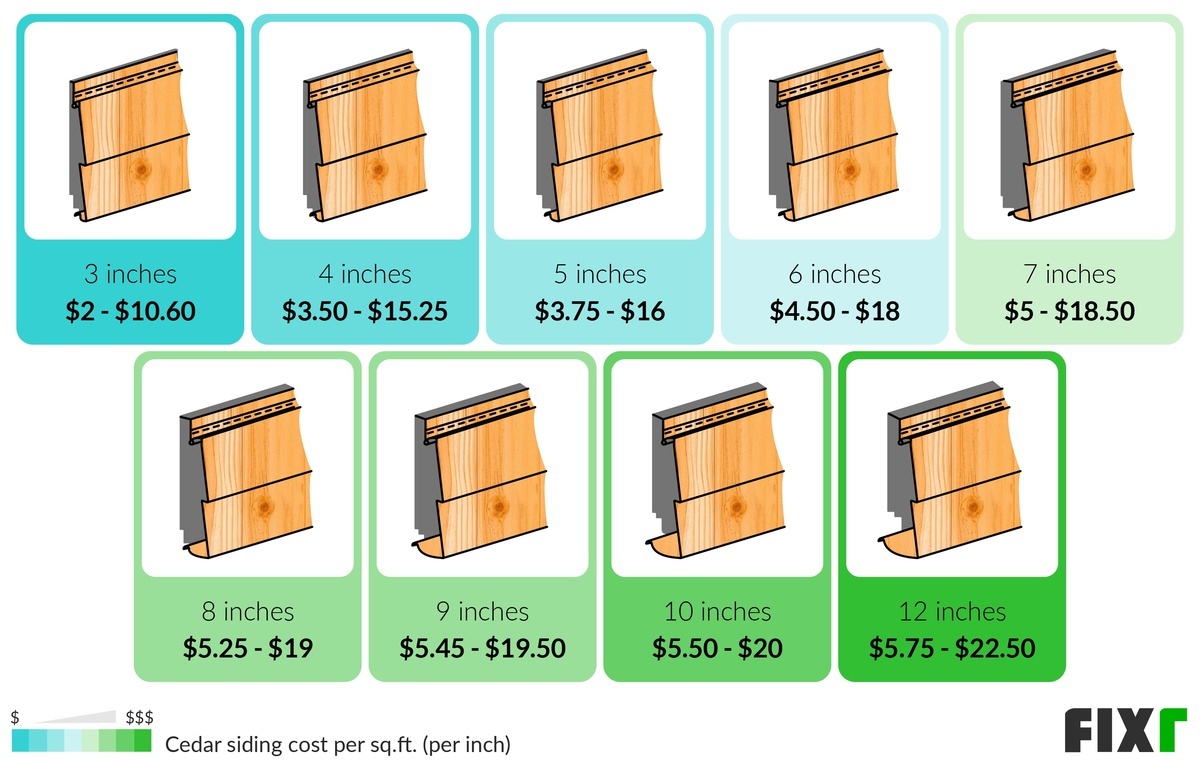
When considering the cost of replacing house siding per square foot, several factors come into play that can impact the overall price. These factors include the type of siding material chosen, the size and layout of the house, any additional features or customization, as well as the labor costs involved in the installation process.
Labor costs play a significant role in the overall price of house siding replacement. The complexity of the installation, the need for any structural repairs or preparations, as well as the location of the house can all influence the labor costs.
On average, labor costs can add an additional $2 to $5 per square foot to the total price of siding replacement.
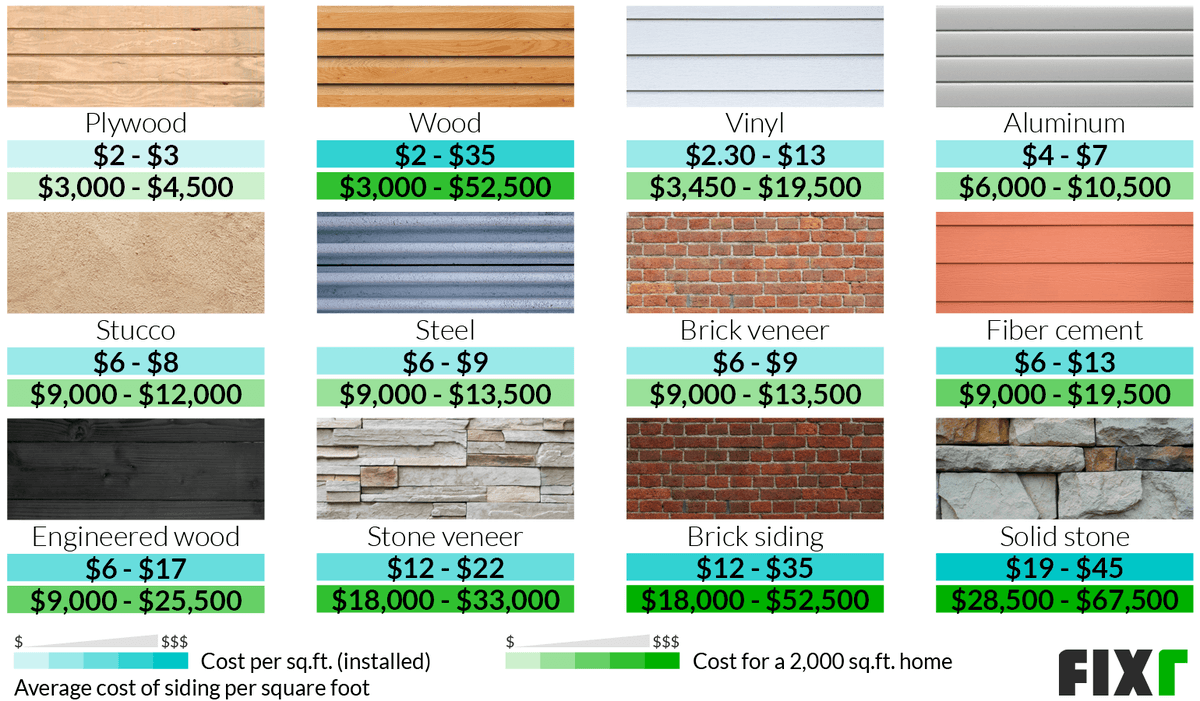
When it comes to house siding replacement costs, it is essential to understand the current trends to make informed decisions.
The current average cost per square foot for house siding replacement ranges from $5 to $15, depending on the material used and the complexity of the installation.
When it comes to the cost of replacing house siding, several factors come into play that can influence the overall expenses. Understanding these factors can help homeowners better prepare for the financial investment required for a siding replacement project.The size and shape of the house play a significant role in determining the total cost of siding replacement.
Larger homes with more exterior surface area will naturally require more materials and labor, leading to higher costs. Additionally, houses with complex architectural features or multiple stories may involve additional challenges for installation, impacting the overall price.
The location of the house also plays a crucial role in siding replacement costs. Different regions may have varying costs for materials and labor, leading to price differences based on geographical location. For example, urban areas with higher living costs may have more expensive siding replacement services compared to rural areas.
It’s essential for homeowners to consider these regional pricing variations when budgeting for a siding replacement project.
In addition to basic siding replacement, certain additional services and upgrades can impact the total cost. For instance, adding insulation to improve energy efficiency or removing old siding before installing new materials can increase the overall expenses. While these extra services may add to the initial cost, they can also provide long-term benefits in terms of energy savings and durability.
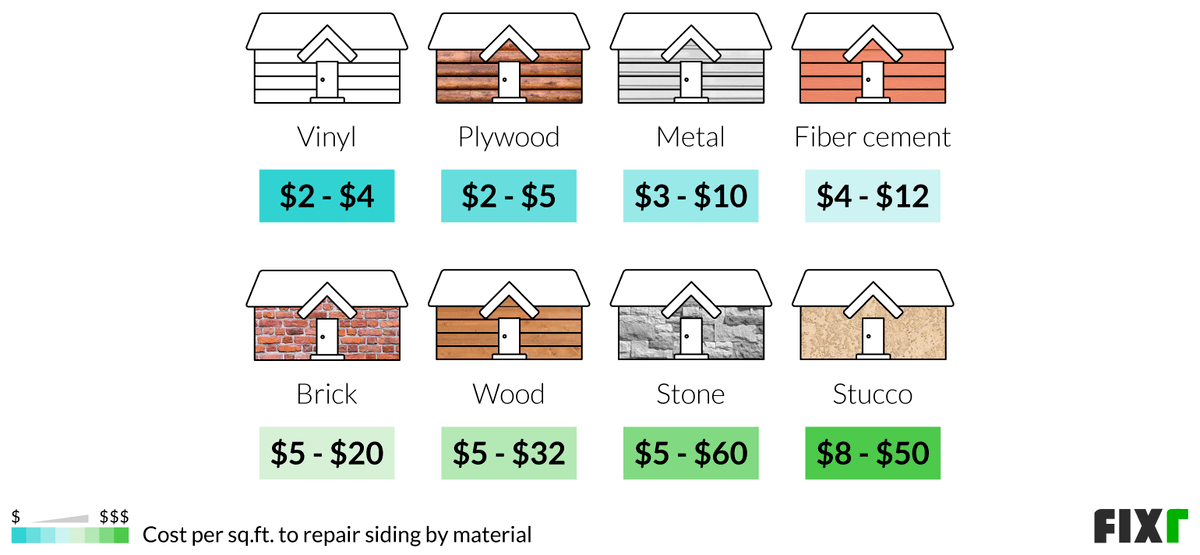
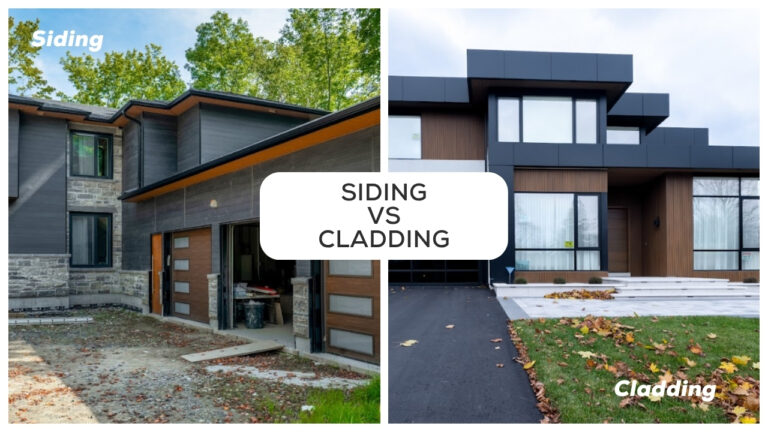
When it comes to house siding materials, there are several popular options to choose from, each with its own cost implications and maintenance requirements. In this section, we will break down the costs of common siding materials such as vinyl, wood, fiber cement, and metal, compare their durability and maintenance needs, and discuss the pros and cons of each material in terms of cost-effectiveness.
Vinyl siding is one of the most affordable options, with an average cost of $2-$7 per square foot. It is durable, low-maintenance, and comes in a variety of colors and styles. However, it may not be as long-lasting as other materials and can crack or fade over time.
Wood siding is a classic choice that adds warmth and character to a home. It typically costs $5-$10 per square foot but requires more maintenance, such as staining or painting, to prevent rot and insect damage. While wood siding can last for decades if properly maintained, it may be more costly in the long run due to maintenance expenses.
Fiber cement siding is a durable and low-maintenance option that costs around $5-$12 per square foot. It is resistant to rot, fire, and insects, making it a popular choice for many homeowners. While the initial cost may be higher than vinyl or wood, fiber cement siding can offer long-term savings due to its durability and minimal maintenance needs.
Metal siding, such as aluminum or steel, is a modern and sleek option that ranges from $5-$15 per square foot. It is durable, resistant to fire and insects, and can last for decades with minimal maintenance. However, metal siding may be prone to dents and scratches, and the initial cost can be higher compared to other materials.
What factors contribute to the cost per square foot of house siding replacement?
The cost per square foot is influenced by factors like material type, labor costs, additional services needed, and regional pricing differences.
How do trends impact house siding replacement costs?
Trends can affect material prices, labor costs, and overall expenses. Keeping abreast of trends helps in estimating future project costs accurately.
Which siding material is the most cost-effective in the long run?
While initial costs vary, materials like fiber cement and metal are durable and require less maintenance, making them cost-effective choices over time.
Are there any additional services that can impact the total cost of siding replacement?
Services like insulation installation or removal of old siding can add to the overall cost, but they also enhance the efficiency and longevity of the new siding.