
Premium vs Budget Exterior Cladding: Which Option Offers Better Value?
Exploring the debate between Premium vs Budget Exterior Cladding: Which Option Offers Better Value? invites readers into a world of construction decisions, where the choice of materials can make a significant impact. This article aims to shed light on the key differences and considerations when selecting between premium and budget options for exterior cladding.
Delving into the specifics of each type, we will uncover the unique characteristics, pros, and cons that define the value proposition of premium and budget exterior cladding.
Premium Exterior Cladding
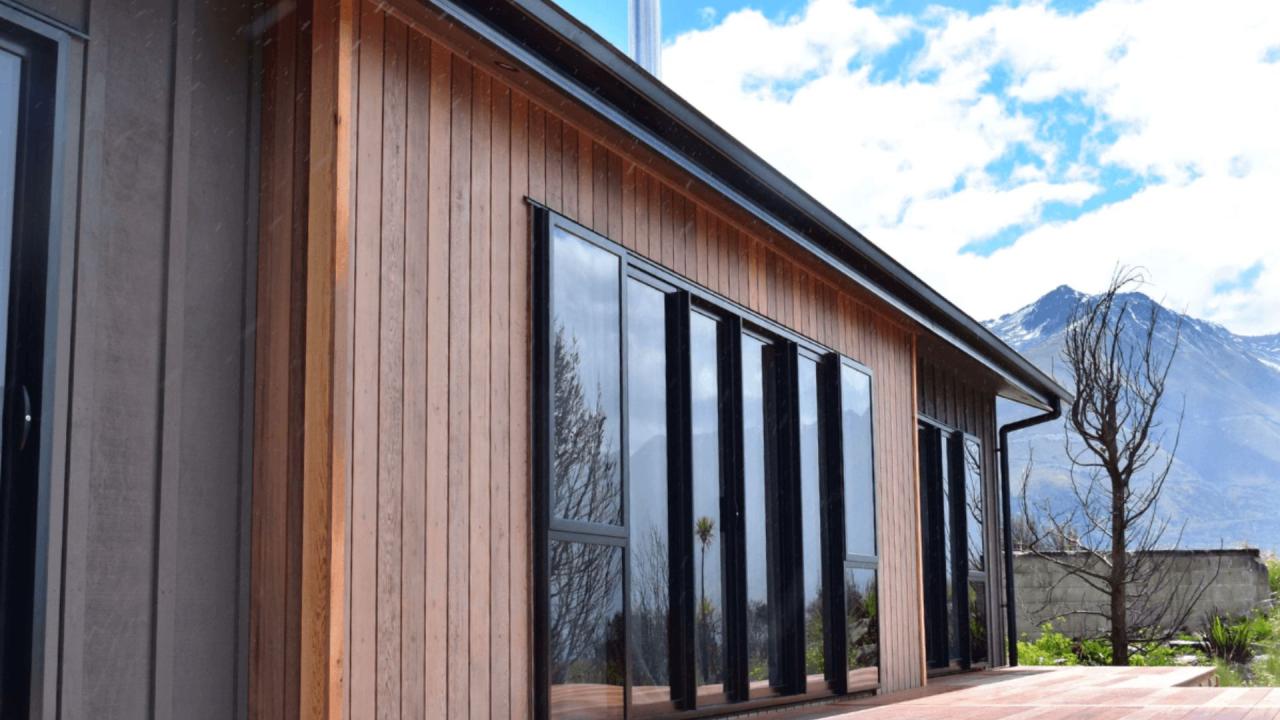
When it comes to premium exterior cladding, the materials used are typically of higher quality, offering superior durability, aesthetic appeal, and performance compared to budget options. These premium materials are designed to withstand harsh weather conditions and maintain their appearance over time.
Examples of Premium Exterior Cladding Options
- Fiber Cement Siding: Known for its durability and low maintenance requirements, fiber cement siding is a popular choice for premium exterior cladding.
- Natural Stone: Offering a timeless and elegant look, natural stone cladding provides a luxurious appearance to any building.
- Metal Panels: Sleek and modern, metal panels are another premium option that offers durability and design versatility.
Benefits of Choosing Premium Exterior Cladding
- Enhanced Durability: Premium materials are more resistant to damage from moisture, UV rays, and pests, ensuring longevity and minimal maintenance costs.
- Improved Aesthetics: Premium exterior cladding options enhance the overall look of a building, adding value and curb appeal.
- Increased Energy Efficiency: Some premium cladding materials offer better insulation properties, leading to energy savings and a more comfortable indoor environment.
Budget Exterior Cladding
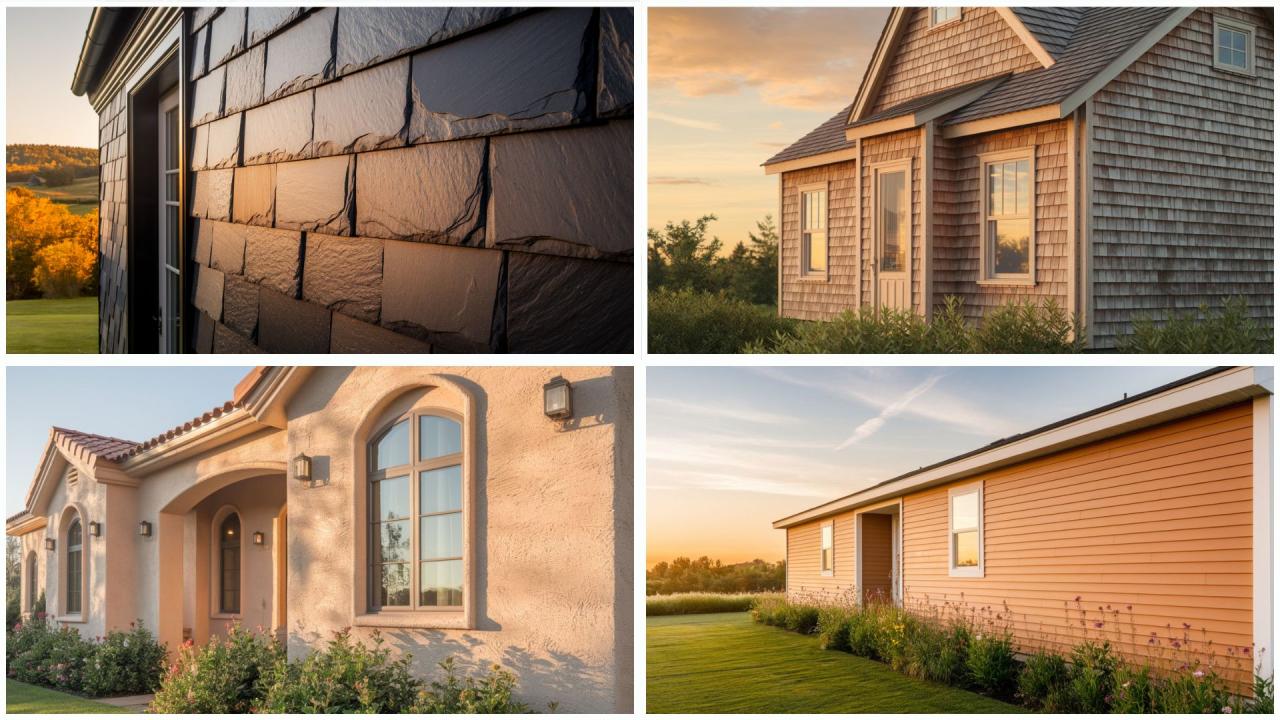
When it comes to budget exterior cladding, homeowners often look for cost-effective options that provide decent quality without breaking the bank. These materials may not offer the same level of luxury or durability as premium choices, but they can still enhance the appearance and protection of a home.
Typical Features of Budget-Friendly Exterior Cladding Materials
- Vinyl Siding: Vinyl siding is a popular choice for budget-conscious homeowners due to its affordability and low maintenance requirements.
- Fiber Cement: Fiber cement cladding offers a cost-effective alternative to traditional materials like wood or brick, providing durability and versatility.
- Engineered Wood: Engineered wood products, such as plywood or oriented strand board (OSB), can be used as budget-friendly cladding options that mimic the look of real wood.
- Aluminum: Aluminum cladding is lightweight, easy to install, and budget-friendly, making it a practical choice for exterior applications.
Cost-Effective Alternatives for Budget Exterior Cladding
- Painted Brick or Concrete: Instead of replacing existing cladding, homeowners can opt to paint brick or concrete surfaces for a budget-friendly refresh.
- Stucco: Stucco is a cost-effective cladding material that provides a textured finish and can be applied over various substrates.
- Composite Panels: Composite panels offer a modern and affordable cladding solution that combines different materials for a unique look.
Potential Drawbacks or Limitations of Opting for Budget Exterior Cladding
- Less Durability: Budget-friendly cladding materials may not be as durable or long-lasting as premium options, requiring more frequent maintenance and replacements.
- Limited Design Options: Some budget exterior cladding materials may have fewer design choices or customization options compared to higher-end alternatives.
- Lower Resale Value: Choosing budget cladding materials could impact the resale value of a home, as potential buyers may prefer premium finishes for aesthetic appeal and longevity.
Durability and Longevity
When it comes to exterior cladding options, durability and longevity are key factors to consider in determining the overall value of the investment. Let’s compare the premium and budget options in terms of their lifespan and ability to withstand various environmental conditions.
Durability of Premium vs. Budget Exterior Cladding
- Premium exterior cladding materials, such as natural stone, brick, or high-quality composite panels, are known for their superior durability. These materials are designed to last for decades without significant wear and tear.
- On the other hand, budget exterior cladding options, like vinyl siding or low-cost composite materials, may not offer the same level of durability. They are more prone to damage from impact, moisture, and UV exposure, which can lead to premature deterioration.
- It is important to note that the initial cost savings of budget cladding options may be overshadowed by the need for frequent repairs or replacements due to their lower durability.
Longevity and Value
- The longevity of exterior cladding plays a significant role in determining the overall value of the investment. Premium materials that offer a longer lifespan require less maintenance and replacement over time, ultimately saving money in the long run.
- Real-life examples have shown that premium exterior cladding, such as natural stone or fiber cement siding, can last upwards of 50 years or more with proper care and maintenance.
- In contrast, budget cladding options may need to be replaced every 10-20 years, leading to additional costs and potential disruptions to the building’s exterior aesthetics.
Aesthetics and Design
When it comes to exterior cladding, aesthetics and design play a crucial role in enhancing the overall look of a building. Premium and budget options each offer unique design possibilities that can impact the visual appeal of a property.
Design Possibilities with Premium Exterior Cladding
Premium exterior cladding materials such as natural stone, cedar wood, or fiber cement panels provide a luxurious and high-end look to any building. These materials offer a wide range of colors, textures, and finishes, allowing for customization and creating a sophisticated appearance.
Additionally, premium cladding options often come in larger panels, which can result in a seamless and modern design.
Achieving Aesthetic Appeal with Budget Cladding
While budget exterior cladding options may not offer the same level of luxury as premium materials, they can still achieve an aesthetically pleasing look with the right design choices. Vinyl siding, for example, comes in various colors and styles, including options that mimic the appearance of more expensive materials like wood or stone.
By selecting the right color and texture, budget cladding can complement the overall design of a building and enhance its curb appeal.
Enhancing Visual Appeal with Design Choices
Consider mixing materials
Combining different cladding materials can add visual interest to a building façade. For instance, pairing budget-friendly vinyl siding with stone or brick accents can create a dynamic and unique look.
Focus on color coordination
Choosing a color scheme that complements the architectural style of the building and the surrounding environment can elevate the overall aesthetic appeal of budget cladding.
Pay attention to texture
Opting for cladding with textures or patterns can add depth and dimension to a building’s exterior, making it more visually appealing.
Incorporate architectural details
Adding architectural elements such as trim, molding, or decorative accents can enhance the design of budget cladding and give it a more upscale appearance.
Maintenance and Upkeep
Maintaining exterior cladding is essential for preserving the overall look and integrity of a building. Let’s delve into the maintenance requirements for both premium and budget exterior cladding materials to understand the differences in upkeep.
Premium Exterior Cladding Maintenance
Premium exterior cladding materials like fiber cement, natural stone, and metal panels are known for their durability and low maintenance requirements. These materials often require occasional cleaning with mild soap and water to remove dirt and grime. Additionally, some premium cladding options may need periodic inspections for any signs of damage or wear, such as cracks or discoloration.
While the initial cost of premium cladding may be higher, the long-term maintenance costs are relatively low due to their resilience and longevity.
Budget Exterior Cladding Maintenance
On the other hand, budget exterior cladding materials like vinyl siding or wood require more frequent maintenance to ensure their longevity. Wood cladding, for example, needs regular painting or staining to protect it from moisture and UV damage. Vinyl siding may require annual cleaning with a pressure washer to prevent mold and mildew growth.
The lower upfront cost of budget cladding options may be appealing, but the ongoing maintenance costs can add up over time.
Cost-Effective Maintenance Strategies
To maintain both premium and budget exterior cladding effectively without breaking the bank, consider the following cost-effective strategies:
- Regular Cleaning: Schedule routine cleaning sessions to remove dirt, debris, and stains from the cladding surface.
- Preventative Inspections: Conduct regular inspections to identify any issues early on and address them promptly to prevent costly repairs.
- Sealing and Coating: Apply protective sealants or coatings to enhance the durability and weather resistance of the cladding material.
- Repairs and Replacements: Invest in timely repairs or replacements of damaged cladding sections to prevent further deterioration.
By implementing these maintenance strategies, you can ensure that your exterior cladding remains in top condition for years to come, regardless of whether you choose premium or budget materials.
Environmental Impact
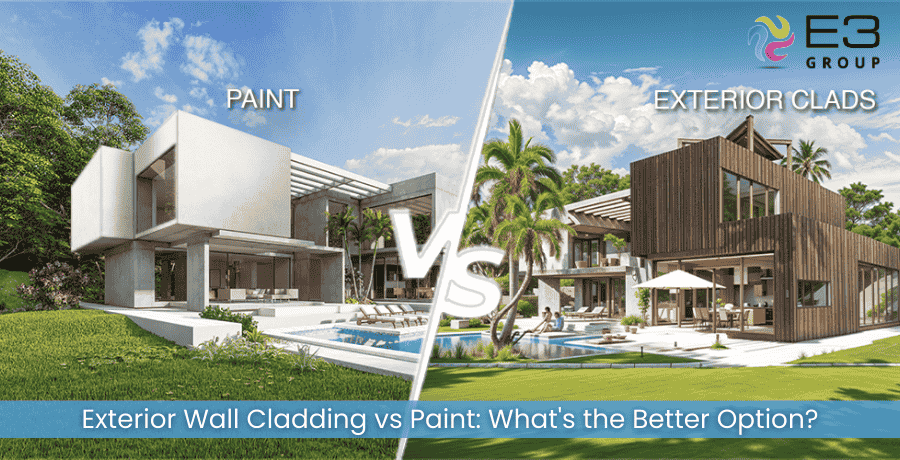
When it comes to the environmental impact of exterior cladding materials, both premium and budget options have distinct characteristics that contribute to sustainability or lack thereof.
Premium Exterior Cladding
- Premium exterior cladding materials, such as natural wood or stone, are often sourced from sustainable forests or quarries, ensuring minimal impact on natural habitats.
- The manufacturing processes for premium materials are typically more energy-intensive, but their durability and longevity can offset the initial environmental cost over time.
- High-quality premium cladding materials may require less frequent replacements, reducing overall waste generation and resource consumption in the long run.
Budget Exterior Cladding
- On the other hand, budget exterior cladding options like vinyl or composite materials may not be as environmentally friendly due to their synthetic composition and reliance on petrochemicals.
- Manufacturing budget cladding materials often involves high levels of energy consumption and emissions, contributing to air and water pollution.
- Moreover, the shorter lifespan of budget cladding materials may result in more frequent replacements, leading to increased waste generation and resource depletion.
Q&A
What are the main characteristics of premium exterior cladding materials?
Premium exterior cladding materials are typically known for their high-quality, durability, and aesthetic appeal. Examples include natural stone, fiber cement, and metal panels.
Are there cost-effective alternatives for budget exterior cladding?
Yes, budget-friendly exterior cladding materials such as vinyl, wood, and engineered wood offer more affordable options without compromising on basic functionality.
How does longevity affect the overall value of exterior cladding?
Longevity is a crucial factor as it determines the lifespan and maintenance requirements of the cladding, directly impacting its value over time.
What maintenance strategies are recommended for both premium and budget exterior cladding?
Premium cladding may require less maintenance but periodic inspections and cleaning are still important. Budget cladding can benefit from regular cleaning and protective coatings to enhance durability.
How do manufacturing processes of exterior cladding impact the environment?
The manufacturing processes of exterior cladding materials can vary in terms of environmental impact, with some premium options being more sustainable due to use of recycled materials or energy-efficient production methods.