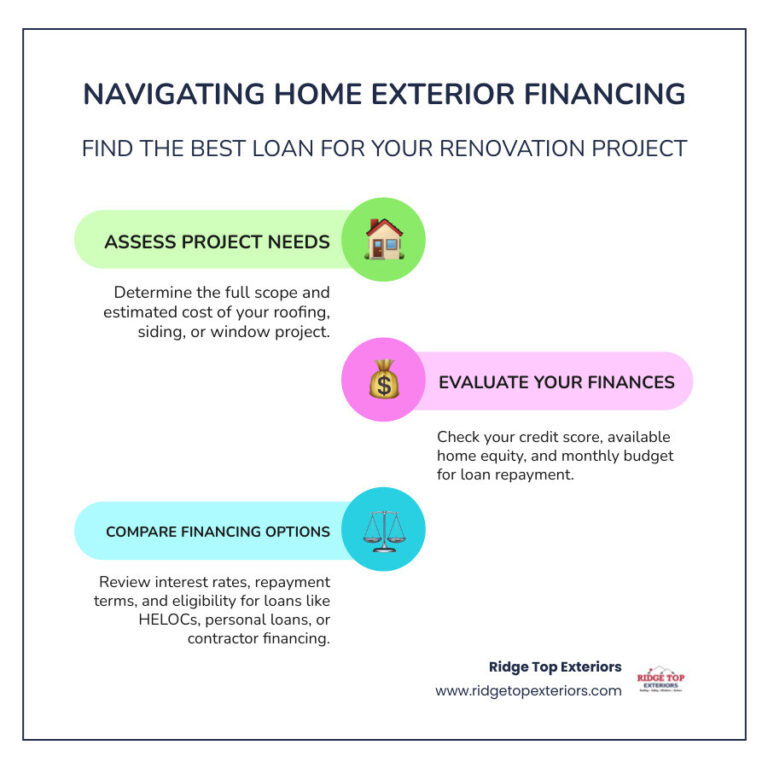
Home Exterior Financing Options: Loans, Credit and Monthly Payment Plans
Home Exterior Financing Options: Loans, Credit and Monthly Payment Plans sets the stage for this enthralling narrative, offering readers a glimpse into a story that is rich in detail and brimming with originality from the outset.
Exploring the various ways homeowners can finance their home exterior projects opens up a world of possibilities and flexibility in achieving the dream look for their homes.
Overview of Home Exterior Financing Options

When it comes to home exterior projects, financing options play a crucial role in making these upgrades possible for homeowners. Whether it’s a new roof, siding, windows, or landscaping, the cost of these improvements can add up quickly. Having access to different financing options can help homeowners manage the expenses and achieve their desired home exterior upgrades without breaking the bank.
Types of Financing Available for Home Exterior Improvements
- Personal Loans: These are unsecured loans that homeowners can use to finance their home exterior projects. They typically have fixed interest rates and repayment terms.
- Home Equity Loans: Homeowners can borrow against the equity in their homes to fund exterior renovations. These loans often have lower interest rates but require the home as collateral.
- Home Equity Lines of Credit (HELOC): Similar to home equity loans, HELOCs allow homeowners to borrow against their home equity but with a revolving line of credit.
- Credit Cards: Some homeowners may choose to use credit cards to finance smaller home exterior projects, but it’s important to be mindful of high-interest rates.
- Vendor Financing: Some contractors or vendors offer financing options for home exterior projects, allowing homeowners to pay for the renovations over time.
Loans for Home Exterior Projects

When it comes to financing home exterior renovations, there are various types of loans available to homeowners. Each type of loan has its own set of advantages and disadvantages, so it’s important to understand how they work before making a decision.
Home Equity Loans
Home equity loans are a popular option for financing home exterior improvements. These loans allow homeowners to borrow against the equity they have built up in their homes. The loan amount is typically based on the difference between the home’s current market value and the amount still owed on the mortgage.
Here are some key points to consider:
- Interest rates for home equity loans are usually lower than other types of loans because they are secured by the home itself.
- Home equity loans offer a lump sum of money that can be used to fund large home improvement projects, such as a new roof or siding.
- Repayment terms are typically fixed, making it easier to budget for monthly payments.
- One disadvantage of home equity loans is that they require homeowners to use their home as collateral, putting it at risk if they are unable to make payments.
- Additionally, borrowers need to have a good credit score and enough equity in their home to qualify for a home equity loan.
Personal Loans
Another option for financing home exterior projects is through personal loans. These are unsecured loans that do not require any collateral. Here’s what you need to know about personal loans:
- Personal loans offer flexibility in terms of loan amounts and repayment terms, making them a good option for smaller projects or when homeowners don’t want to use their home as collateral.
- Interest rates for personal loans are typically higher than home equity loans because they are unsecured.
- Personal loans can be obtained quickly, making them a convenient option for urgent home improvements.
- One drawback of personal loans is that they may have higher monthly payments due to the shorter loan terms.
- Borrowers need to have a good credit score to qualify for competitive interest rates on personal loans.
Credit Options for Home Exterior Upgrades
When it comes to financing home exterior upgrades, credit cards can be a convenient option. They allow homeowners to make immediate purchases for materials or services needed for renovations, spreading out the cost over time with the flexibility of monthly payments.
Impact of Credit Scores on Securing Financing
Your credit score plays a significant role in securing financing for home exterior improvements. Lenders use this score to assess your creditworthiness and determine the terms of the loan or credit card. A higher credit score typically results in lower interest rates and better loan options, while a lower credit score may limit your choices or result in higher costs.
Tips on Managing Credit Effectively
- Monitor your credit score regularly to stay informed about your financial standing.
- Pay your credit card bills on time to avoid late fees and negative impacts on your credit score.
- Avoid maxing out your credit cards, as high credit utilization can negatively affect your credit score.
- Consider opening a new credit card with a 0% introductory APR offer to finance home exterior projects without accruing interest for a limited time.
- Create a budget and stick to it to ensure you can afford the monthly payments on your credit card or loan.
Monthly Payment Plans for Home Exterior Improvements

When it comes to financing home exterior upgrades, monthly payment plans can be a convenient option for homeowners looking to spread the cost over time. These plans offer flexibility and can make it easier to budget for larger projects without having to pay a lump sum upfront.
Popular Monthly Payment Plan Options
- Home Improvement Loans: These are traditional loans specifically designed for home improvement projects, including exterior upgrades. Borrowers receive a lump sum upfront and make fixed monthly payments until the loan is paid off.
- Retail Financing Programs: Many home improvement stores offer financing options with monthly payment plans for customers purchasing materials and services for exterior projects. These programs may come with promotional offers such as zero-interest financing for a certain period.
- Specialized Home Exterior Financing Companies: Some companies specialize in providing financing solutions for home exterior projects, offering tailored monthly payment plans to suit different needs and budgets.
Choosing the Best Monthly Payment Plan
- Compare Interest Rates: Look for monthly payment plans with competitive interest rates to minimize the overall cost of financing your home exterior improvements.
- Consider Repayment Terms: Evaluate the repayment terms of each plan, including the length of the loan or financing period, to ensure it aligns with your financial goals and timeline for completing the project.
- Review Fees and Charges: Be aware of any fees or charges associated with the monthly payment plan, such as origination fees or prepayment penalties, and factor these into your decision-making process.
- Check Eligibility Requirements: Make sure you meet the eligibility criteria for the monthly payment plan, including credit score requirements and income verification, to increase your chances of approval.
Questions Often Asked
What are the benefits of using a personal loan for home exterior projects?
Personal loans offer flexibility in terms of repayment and can be used for various home improvement needs without requiring collateral.
How do credit scores impact financing for home exterior improvements?
Credit scores play a significant role in determining the interest rates and loan amounts available to homeowners when financing home exterior upgrades. Higher credit scores often lead to more favorable financing terms.
What factors should be considered when choosing a monthly payment plan for home exterior renovations?
When selecting a monthly payment plan, homeowners should assess interest rates, repayment terms, and any additional fees associated with the plan to ensure it aligns with their budget and financial goals.