
Commercial Bathroom Stall Installation: Costs, Contractors and Materials
Embark on a journey delving into the realm of Commercial Bathroom Stall Installation: Costs, Contractors, and Materials. This initial glimpse promises a blend of informative insights and engaging details to captivate your interest.
Subsequent paragraphs will dive deeper into the intricacies of the subject matter, shedding light on the process, costs, contractors, and materials involved in commercial bathroom stall installations.
Commercial Bathroom Stall Installation
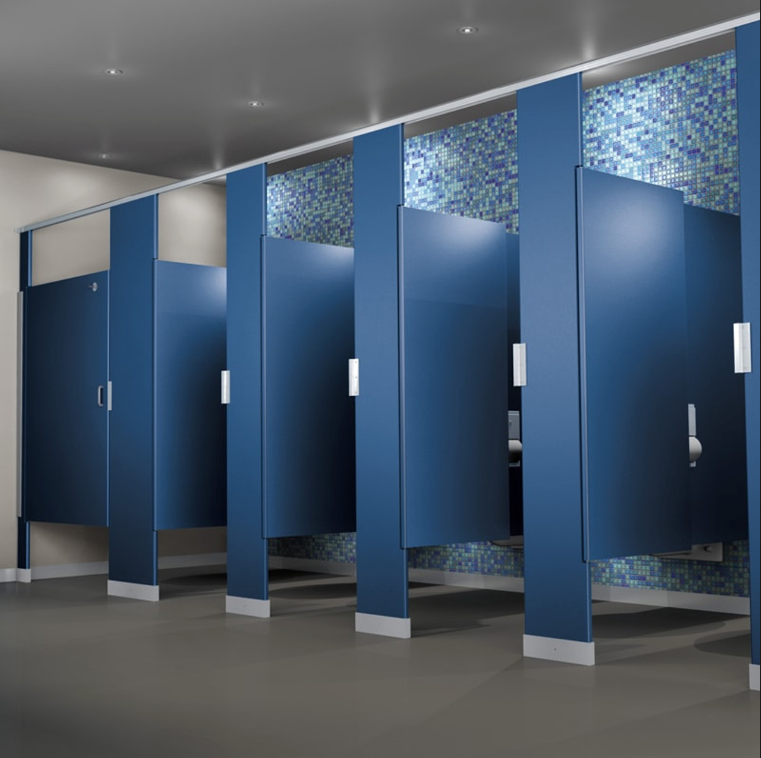
Installing commercial bathroom stalls involves several steps to ensure a functional and aesthetically pleasing restroom for customers and employees alike. From choosing the right materials to hiring professional contractors, the process requires careful planning and execution.
Process of Installing Commercial Bathroom Stalls
- Measure the space: Before installation begins, accurate measurements of the restroom area are taken to ensure that the stalls fit properly.
- Choose materials: Selecting the appropriate materials for the bathroom stalls is crucial for durability and maintenance. Common options include stainless steel, powder-coated steel, plastic laminate, and solid plastic.
- Prepare the area: The existing bathroom fixtures and walls need to be assessed to determine any modifications required for the installation of the stalls.
- Install the stalls: Professional contractors will carefully assemble and install the bathroom stalls according to the manufacturer’s guidelines.
- Finish details: Once the stalls are in place, finishing touches such as hardware installation and final adjustments are made to complete the project.
Typical Timeline for Installing Bathroom Stalls in a Commercial Setting
On average, the installation of commercial bathroom stalls can take anywhere from a few days to a couple of weeks, depending on the size of the restroom and the complexity of the project.
Importance of Hiring Professional Contractors for the Installation
- Expertise: Professional contractors have the experience and skills necessary to install bathroom stalls correctly the first time, avoiding costly mistakes.
- Compliance: Contractors are well-versed in building codes and regulations, ensuring that the installation meets all necessary requirements for safety and accessibility.
- Efficiency: Hiring professionals can expedite the installation process, minimizing downtime for the restroom and allowing businesses to resume normal operations quickly.
Costs Associated with Commercial Bathroom Stall Installation
When it comes to installing commercial bathroom stalls, there are several costs that businesses need to consider. From materials to labor, each component contributes to the overall expense of the project.Commercial bathroom stall installation costs can vary depending on the size of the project, the materials used, and the contractor hired.
On average, businesses can expect to pay anywhere from $500 to $1,500 per stall for installation. This cost includes labor, materials, and any additional fees.
Comparison of Materials
- Plastic: Plastic bathroom stalls are the most affordable option, with an average cost of $500 to $700 per stall. They are durable and easy to clean, making them a popular choice for commercial settings.
- Stainless Steel: Stainless steel stalls are more expensive, ranging from $800 to $1,200 per stall. However, they offer a sleek and modern look, as well as excellent durability.
- Phenolic: Phenolic bathroom stalls fall in the mid-range in terms of cost, typically costing between $600 to $900 per stall. They are resistant to water and vandalism, making them a long-lasting option.
It’s important to consider the long-term maintenance and durability of the materials when choosing the right bathroom stalls for your commercial space.
Additional Hidden Costs
- Permitting: Businesses may need to obtain permits for the installation, which can add to the overall cost.
- Accessibility Upgrades: If the bathroom stalls need to comply with ADA regulations, additional costs may be incurred for modifications.
- Unexpected Repairs: In some cases, unexpected issues may arise during installation, leading to additional costs.
Contractors for Commercial Bathroom Stall Installation
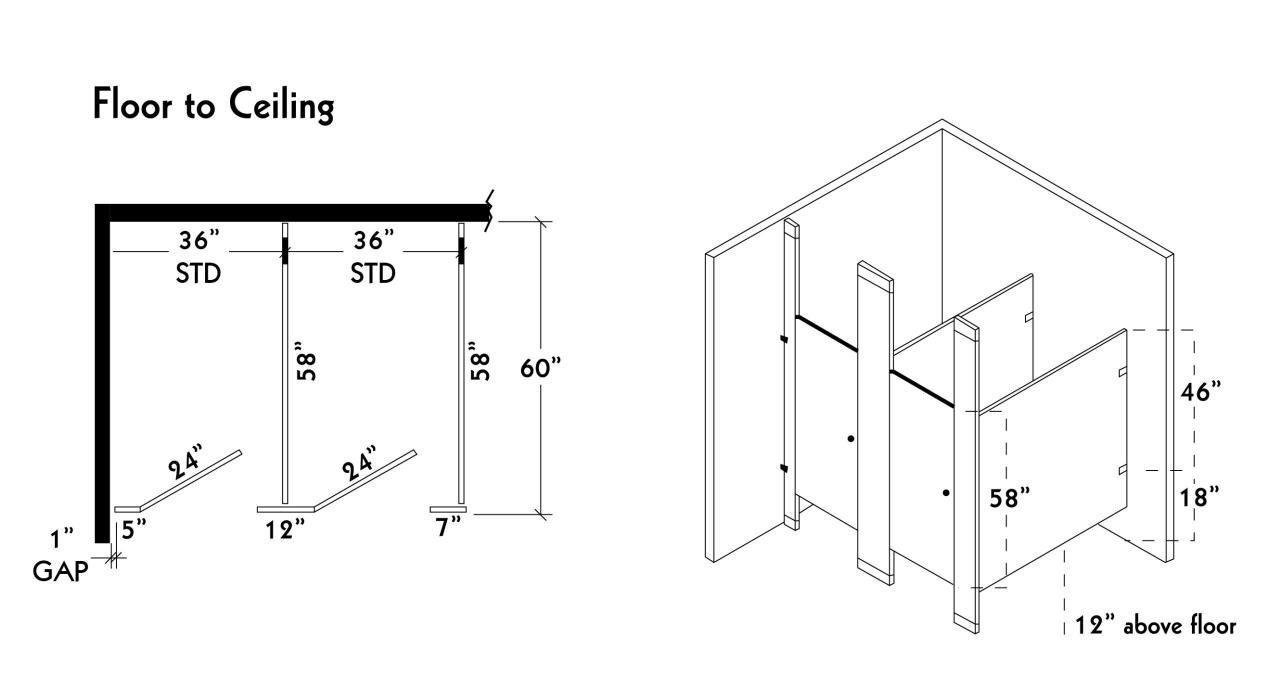
When it comes to selecting a contractor for commercial bathroom stall installation, there are several key factors to consider to ensure a successful and efficient project. From qualifications to reputation, finding the right contractor is crucial for a smooth installation process.
Qualifications and Certifications
It is essential to look for a contractor who possesses the necessary qualifications and certifications to handle commercial bathroom stall installations. A reputable contractor should have experience in similar projects, proper licensing, and certifications in construction or carpentry. This ensures that the contractor has the knowledge and expertise to complete the installation accurately and safely.
How to Find Reliable Contractors
To find reliable contractors specializing in commercial bathroom stall installations, consider seeking recommendations from other businesses in your industry or construction professionals. You can also research online reviews and ratings to gauge the reputation of potential contractors. Additionally, requesting references from past clients and reviewing their portfolio of completed projects can give you insight into their work quality and professionalism.
By conducting thorough research and due diligence, you can find a contractor who meets your requirements and delivers excellent results.
Materials Used in Commercial Bathroom Stall Installation
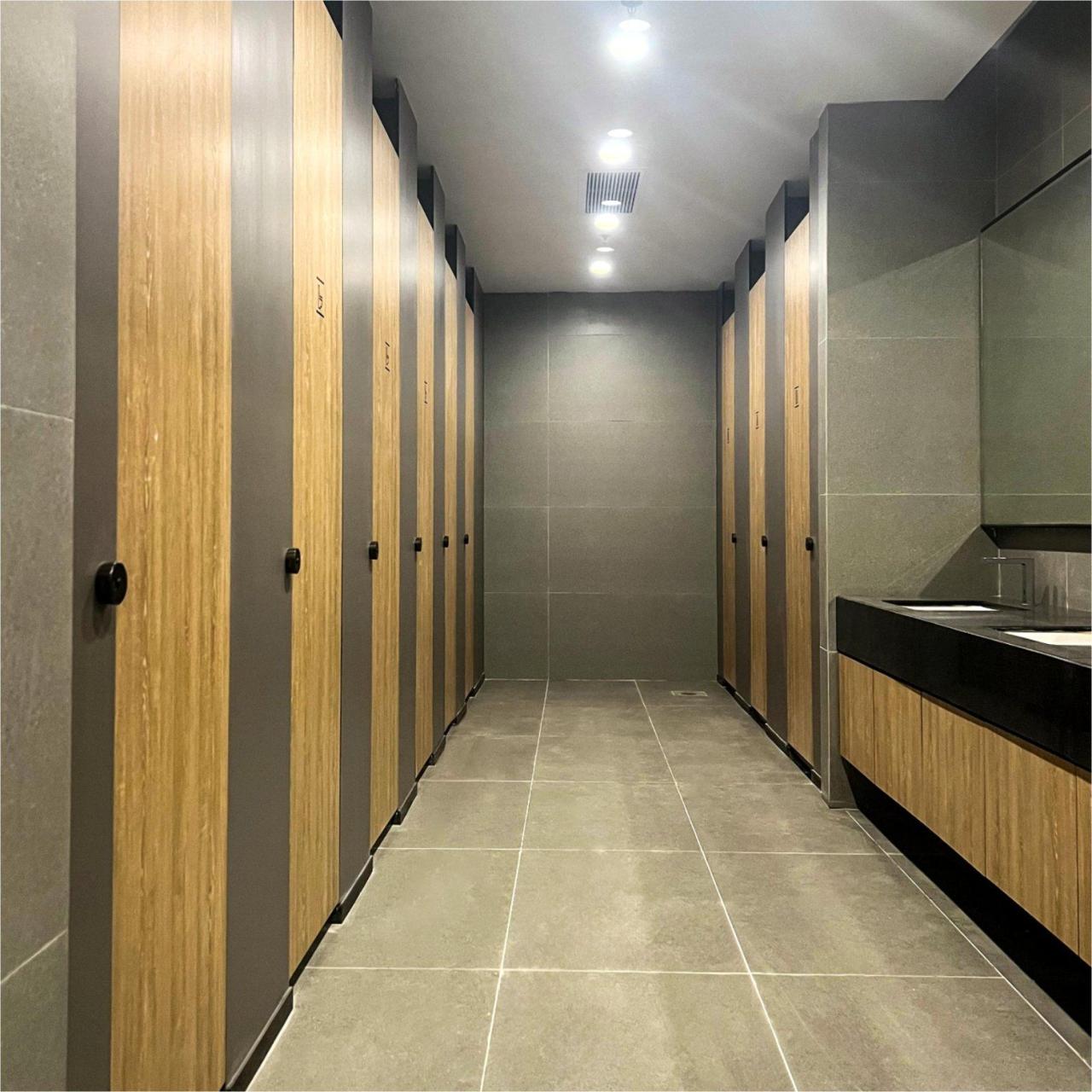
When it comes to commercial bathroom stall installations, the choice of materials plays a crucial role in determining both the durability and maintenance requirements of the stalls. Different materials offer varying levels of sturdiness and ease of upkeep, making it essential to choose the right material for your specific needs.
Types of Materials
- Plastic Laminate:Plastic laminate is a popular choice for commercial bathroom stalls due to its affordability and versatility. It is easy to clean and comes in a wide range of colors and patterns. However, it may not be as durable as other materials and can be prone to chipping and scratching.
- Powder-Coated Steel:Powder-coated steel stalls are known for their durability and resistance to corrosion. They are also relatively easy to maintain and can withstand heavy use. However, they may be more expensive than other materials.
- Stainless Steel:Stainless steel stalls are highly durable, resistant to rust, and offer a sleek, modern look. They are easy to clean and maintain, making them a popular choice for high-traffic restrooms. However, they tend to be more expensive upfront.
- Solid Plastic:Solid plastic stalls are incredibly durable, resistant to vandalism, and easy to clean. They are often used in schools, airports, and other public facilities where durability is a top priority. While they may have a higher initial cost, they require minimal maintenance over time.
- Phenolic:Phenolic bathroom stalls are made from resin-impregnated kraft paper, offering a durable and moisture-resistant solution. They are easy to clean, resistant to scratches, and come in a variety of colors and finishes. However, they can be more expensive than other options.
General Inquiries
What are some additional hidden costs businesses should be aware of during commercial bathroom stall installation?
Businesses should factor in expenses related to permits, inspections, and any structural modifications that may be required during the installation process.
How can businesses find reliable contractors specializing in commercial bathroom stall installations?
Seek recommendations from other businesses in the industry, conduct thorough background checks, and ensure the contractor possesses relevant certifications and experience in commercial projects.
Which material is considered the most cost-effective yet durable for commercial bathroom stall installations?
High-density polyethylene (HDPE) is often favored for its affordability and resilience, making it a popular choice for businesses seeking a balance between cost and durability.