
Energy-Efficient Exterior Renovations: Costs, Savings and Financing
Embark on a journey through Energy-Efficient Exterior Renovations: Costs, Savings, and Financing as we delve into the world of home upgrades that not only benefit the environment but also your wallet.
Explore the realm of exterior renovations that promise to enhance energy efficiency in your living space, paving the way for a more sustainable future.

Energy-efficient exterior renovations refer to the process of upgrading the outer components of a building to minimize energy consumption and maximize efficiency. These renovations aim to reduce energy waste, lower utility bills, and create a more comfortable and sustainable living environment.
Investing in energy-efficient upgrades for homes is crucial for several reasons. Not only do these improvements help reduce energy costs in the long run, but they also contribute to environmental sustainability by decreasing carbon emissions. Additionally, energy-efficient homes often have higher market value and provide better indoor comfort for residents.
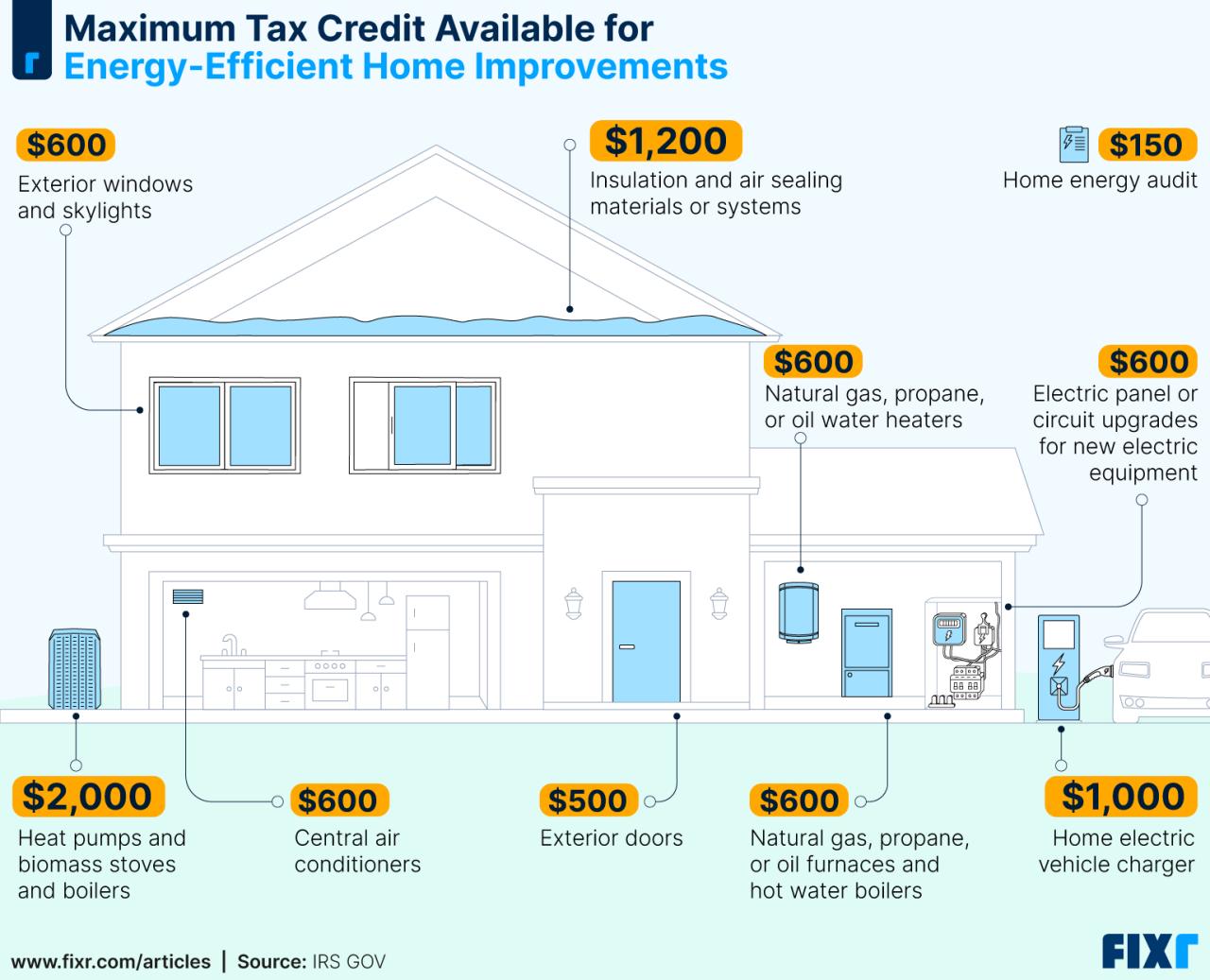
When considering energy-efficient exterior renovations, homeowners should be aware of the typical costs involved. These renovations focus on improving the energy efficiency of a home, which can lead to long-term savings on energy bills.
Traditional exterior renovations often focus on aesthetics and basic functionality, whereas energy-efficient options prioritize energy savings and sustainability. While traditional renovations may have lower upfront costs, energy-efficient upgrades can result in significant savings over time. It’s important for homeowners to weigh the initial investment against the long-term benefits when deciding between the two options.
Energy-efficient exterior renovations can lead to significant long-term savings for homeowners. By making upgrades that improve the energy efficiency of your home, you can see a reduction in utility bills over time.
For instance, a homeowner who upgraded their insulation and installed energy-efficient windows reported a 20% decrease in their annual heating and cooling costs. Another family that switched to LED lighting and energy-efficient appliances saw a 30% reduction in their electricity bills.
When considering energy-efficient exterior renovations, it’s important to explore the various financing options available to make these upgrades more affordable. By understanding different financing choices and government incentives, homeowners can offset renovation costs and reap the benefits of energy savings in the long run.
Government incentives and rebates play a crucial role in making energy-efficient renovations more accessible to homeowners. These programs can help offset the upfront costs of upgrades and encourage individuals to invest in sustainable solutions for their homes. It’s essential to research and take advantage of any available rebates or tax incentives to maximize savings.
There are various loan options specifically designed for energy-efficient renovations, such as energy-efficient mortgages or personal loans. These financing choices often come with favorable terms and low-interest rates, making them a viable option for homeowners looking to make upgrades without breaking the bank.
By exploring different loan options, homeowners can find a solution that fits their budget and allows them to invest in energy-efficient improvements.
Property Assessed Clean Energy (PACE) financing is another option for homeowners looking to finance energy-efficient renovations. PACE programs allow homeowners to borrow money for upgrades and repay the loan through an assessment on their property tax bill. This financing option can make it easier for homeowners to invest in energy-efficient improvements without facing high upfront costs.
What are some common exterior renovations that improve energy efficiency?
Examples include installing energy-efficient windows, adding insulation, and upgrading to a more efficient HVAC system.
Are there any tax incentives for energy-efficient renovations?
Yes, there are various tax credits and rebates available for homeowners who choose to make energy-efficient upgrades.
How long does it take to see savings from energy-efficient renovations?
The time frame varies, but many homeowners start seeing savings on their utility bills within the first year of making these upgrades.