
Low-Maintenance Exterior Materials: Cost and Long-Term Savings
In the realm of construction and home design, the choice of exterior materials plays a pivotal role. Low-Maintenance Exterior Materials: Cost and Long-Term Savings delves into the realm of durable and cost-effective materials that promise both reliability and aesthetic appeal.
Let’s explore how these materials can revolutionize the way we think about construction projects.
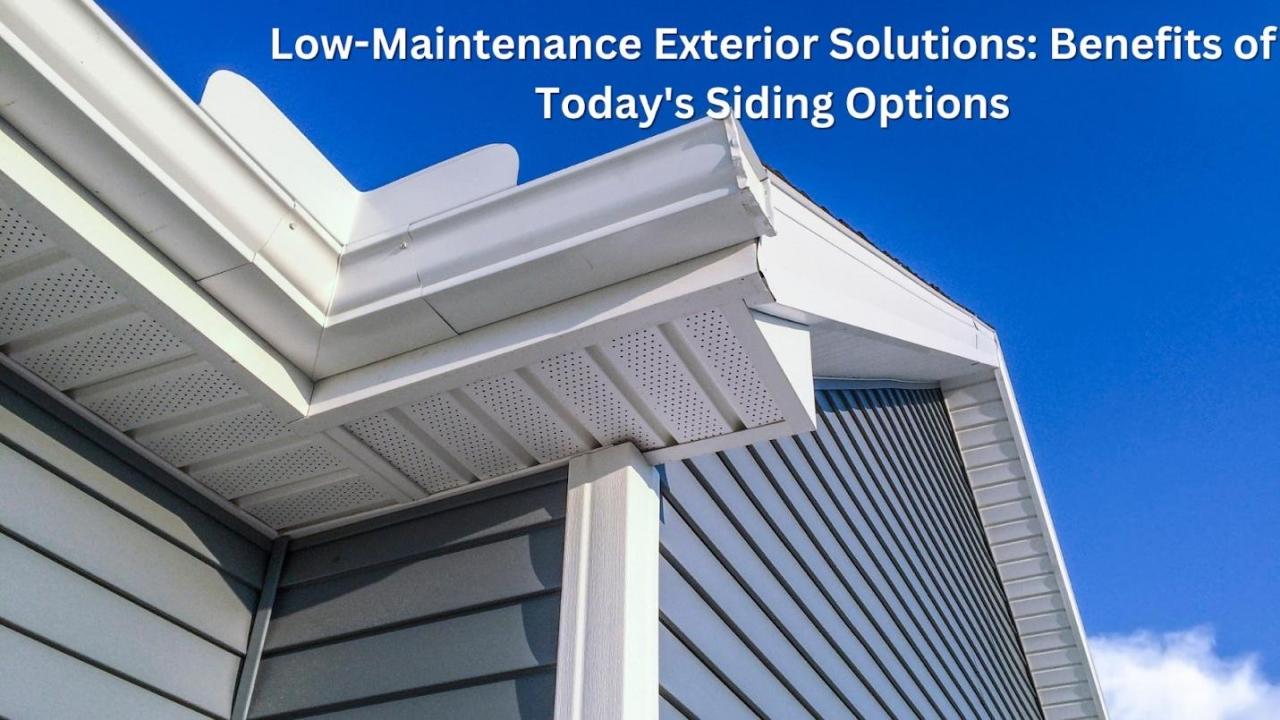
When it comes to choosing low-maintenance exterior materials for your construction project, there are several options available that offer durability and require minimal upkeep. Let’s explore some of the popular choices in the market today.
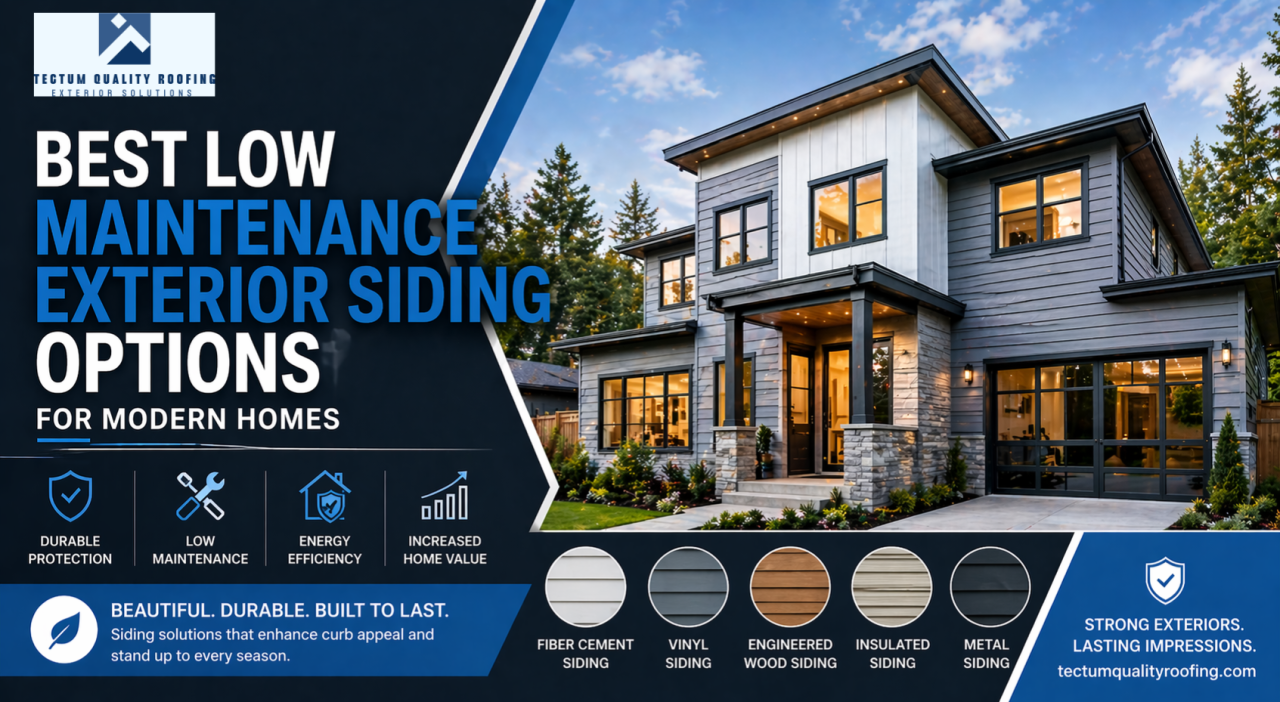
Vinyl siding is a cost-effective and low-maintenance option for exterior cladding. It is durable, resistant to rot, insects, and moisture, and requires minimal cleaning with just soap and water. Popular brands like CertainTeed and Mastic offer a wide range of colors and styles to choose from.
Fiber cement siding is another durable and low-maintenance material made from a mix of cement, sand, and cellulose fibers. It is resistant to fire, insects, and rot, and requires minimal upkeep in terms of painting or staining. Brands like James Hardie and Allura are well-known for their quality fiber cement products.
Composite decking is a low-maintenance alternative to traditional wood decking. It is made from a mix of recycled wood fibers and plastic, making it resistant to rot, insects, and fading. Brands like Trex and TimberTech offer composite decking in a variety of colors and finishes, eliminating the need for sanding, staining, or sealing.
Metal roofing is a durable and long-lasting option for low-maintenance exterior materials. It is resistant to fire, rot, and insects, and can withstand harsh weather conditions. Brands like Standing Seam and Corrugated Metal offer metal roofing systems that require minimal maintenance and can last for decades with proper care.
PVC trim is a low-maintenance alternative to traditional wood trim for exterior applications. It is resistant to moisture, insects, and rot, and can be easily cleaned with soap and water. Brands like Azek and Versatex offer PVC trim in various profiles and sizes, providing a long-lasting and maintenance-free solution for trim work.
When considering the cost of low-maintenance exterior materials compared to traditional high-maintenance options, it is crucial to look beyond the initial price tag. While low-maintenance materials may have a higher upfront cost, they often prove to be more cost-effective in the long run.
Low-maintenance materials such as vinyl siding, composite decking, and metal roofing typically have a higher initial cost compared to traditional materials like wood or asphalt shingles. However, these low-maintenance options require minimal upkeep and repairs over time, which can result in significant savings.
One of the key advantages of using low-maintenance exterior materials is the potential for long-term savings. By investing in durable materials that require less maintenance, homeowners can avoid costly repairs and replacements down the line. Additionally, low-maintenance materials often have longer lifespans, reducing the need for frequent replacements.
Over the years, the cost of maintaining low-maintenance materials is generally lower compared to high-maintenance options. Traditional materials like wood siding or asphalt shingles may require regular painting, staining, or sealant applications, which can add up in terms of time and money.
On the other hand, low-maintenance materials typically only require occasional cleaning or basic maintenance, leading to lower overall costs in the long term.
When considering the environmental impact of low-maintenance exterior materials, it is essential to analyze various aspects such as production processes, recyclability, sustainability, and energy efficiency.
Low-maintenance materials are often manufactured using processes that are more environmentally friendly compared to traditional materials. Many of these materials are made from recycled content or are themselves recyclable, reducing the overall environmental footprint.
Additionally, the longevity of low-maintenance materials means that they need to be replaced less frequently, further reducing waste and the resources required for production.
Using low-maintenance exterior materials can significantly contribute to sustainability by promoting a more efficient use of resources. These materials require less maintenance, reducing the need for frequent repairs or replacements that can have a negative impact on the environment.
Furthermore, the durability of low-maintenance materials helps in conserving natural resources and reducing the overall environmental footprint associated with building maintenance.
Low-maintenance exterior materials are often designed to be more energy-efficient than traditional materials. For example, materials with high insulation properties can help reduce energy consumption for heating and cooling, leading to lower energy bills and decreased environmental impact.
By choosing low-maintenance materials that prioritize energy efficiency, homeowners can not only save money in the long run but also contribute to a more sustainable and eco-friendly living environment.
When it comes to incorporating low-maintenance exterior materials into modern architectural designs, there are several tips to keep in mind. These materials offer a wide range of possibilities for enhancing the curb appeal of a property while reducing the need for frequent maintenance tasks.
By exploring different textures, colors, and finishes of low-maintenance materials, unique exterior aesthetics can be achieved.
Low-maintenance exterior materials such as fiber cement siding, composite decking, and metal roofing can be seamlessly integrated into modern architectural designs. Their sleek and clean lines complement contemporary structures, adding a touch of sophistication to the overall look. These materials are also available in a variety of finishes, from matte to glossy, allowing for customization to suit different design preferences.
The versatility of low-maintenance materials extends to their ability to enhance the curb appeal of a property. Whether used as cladding for the exterior walls, decking for outdoor spaces, or roofing for the top of the building, these materials can elevate the visual appeal of a structure.
By choosing complementary colors and textures, a cohesive and visually appealing exterior can be achieved, making a lasting impression on visitors and passersby.
One of the key advantages of low-maintenance materials is the wide range of options available in terms of textures, colors, and finishes. Textured fiber cement panels can mimic the look of natural wood, while composite decking is available in various wood grain patterns.
Metal roofing comes in an array of colors to suit different architectural styles. By mixing and matching these elements, unique and eye-catching exterior aesthetics can be created, adding character and charm to a property.
Are low-maintenance materials more expensive upfront?
While the initial cost may be higher than traditional materials, the long-term savings in maintenance costs usually outweigh the initial investment.
Can low-maintenance materials be customized to fit different architectural styles?
Yes, low-maintenance materials offer a wide range of textures, colors, and finishes that can be tailored to suit various architectural designs.
Are low-maintenance materials environmentally friendly?
Many low-maintenance materials are produced using eco-friendly processes and are recyclable, making them a sustainable choice for environmentally conscious projects.