
Best Exterior Wall Materials for Cost, Durability and Energy Efficiency
Beginning with Best Exterior Wall Materials for Cost, Durability and Energy Efficiency, the narrative unfolds in a compelling and distinctive manner, drawing readers into a story that promises to be both engaging and uniquely memorable.
When it comes to choosing the right exterior wall materials, considerations of cost, durability, and energy efficiency play a crucial role. Let’s explore the best options available in the market that strike a balance between these factors.
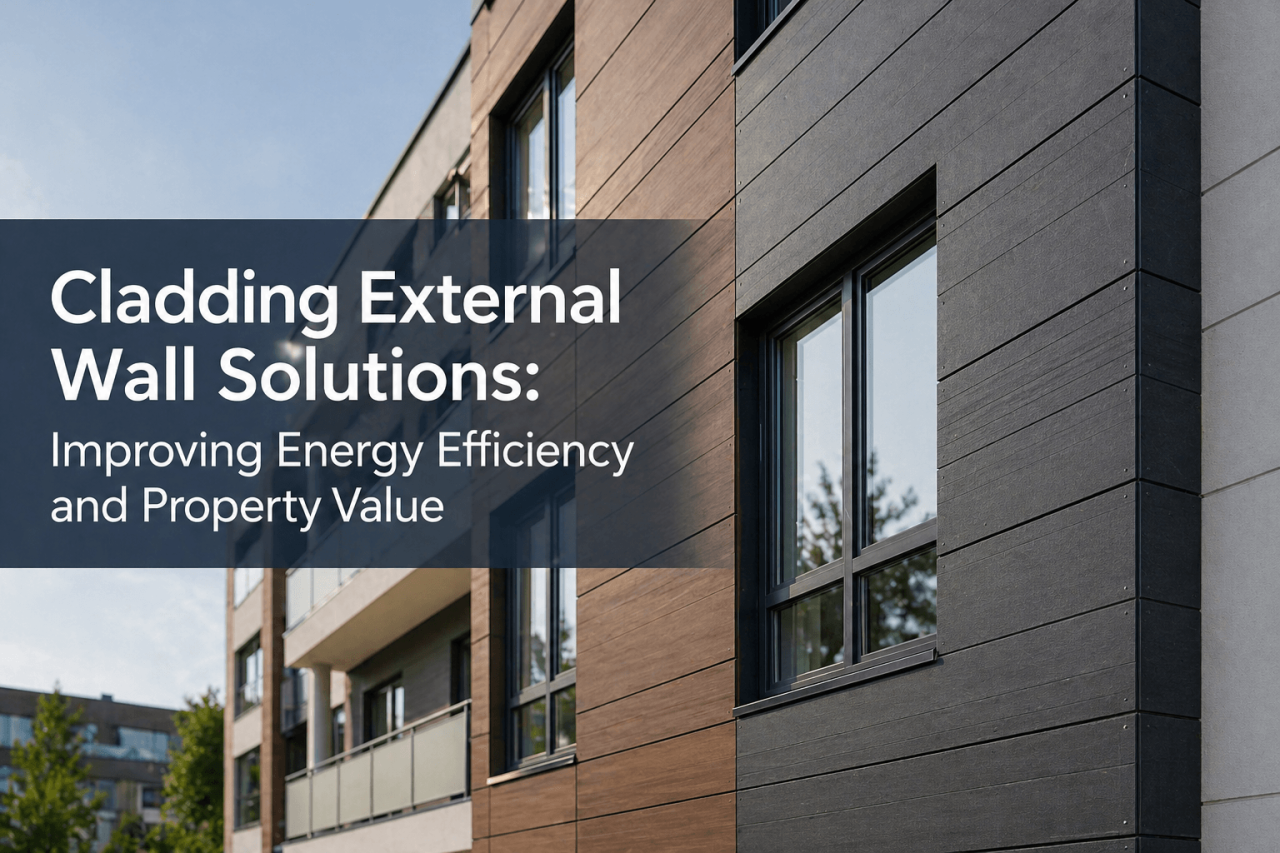
When it comes to choosing exterior wall materials, there are various options available to suit different budgets, durability requirements, and energy efficiency needs. Let’s explore some of the common types of exterior wall materials below.
Brick is a classic choice for exterior walls that offers both durability and aesthetic appeal. While it may be slightly more expensive upfront, brick is known for its longevity and low maintenance requirements. Additionally, brick provides excellent insulation, leading to energy efficiency benefits in the long run.
Vinyl siding is a cost-effective option for exterior walls, making it a popular choice for homeowners on a budget. While vinyl may not be as durable as brick, it is relatively low maintenance and comes in a variety of colors and styles.
However, it may not provide the same level of insulation as other materials, impacting energy efficiency.
Wood cladding offers a natural and rustic look to exterior walls, perfect for those seeking a warm and inviting aesthetic. While wood may require more maintenance compared to other materials, it can be a durable option when properly cared for.
However, wood may not be the most energy-efficient choice due to its lower insulation properties.
Fiber cement is a versatile material that combines the durability of cement with the appearance of wood or vinyl. It is resistant to rot, fire, and pests, making it a long-lasting option for exterior walls. Additionally, fiber cement provides good insulation, contributing to energy efficiency in the home.
Stucco is a popular choice for exterior walls in regions with warm climates, as it offers excellent heat resistance. While stucco can be a durable material, it may require regular maintenance to prevent cracking and water damage. Stucco also provides decent insulation, helping to regulate indoor temperatures and improve energy efficiency.
Metal panels are a modern and sleek option for exterior walls, offering durability and low maintenance requirements. While metal panels may be more expensive upfront, they can last for many years without needing replacement. However, metal panels may not provide the best insulation compared to other materials, affecting energy efficiency.
When considering exterior wall materials for your building, it is crucial to assess the costs involved not only in the initial installation but also in long-term maintenance and repairs. By understanding the cost implications of different materials, you can make informed decisions that balance durability and energy efficiency with affordability.
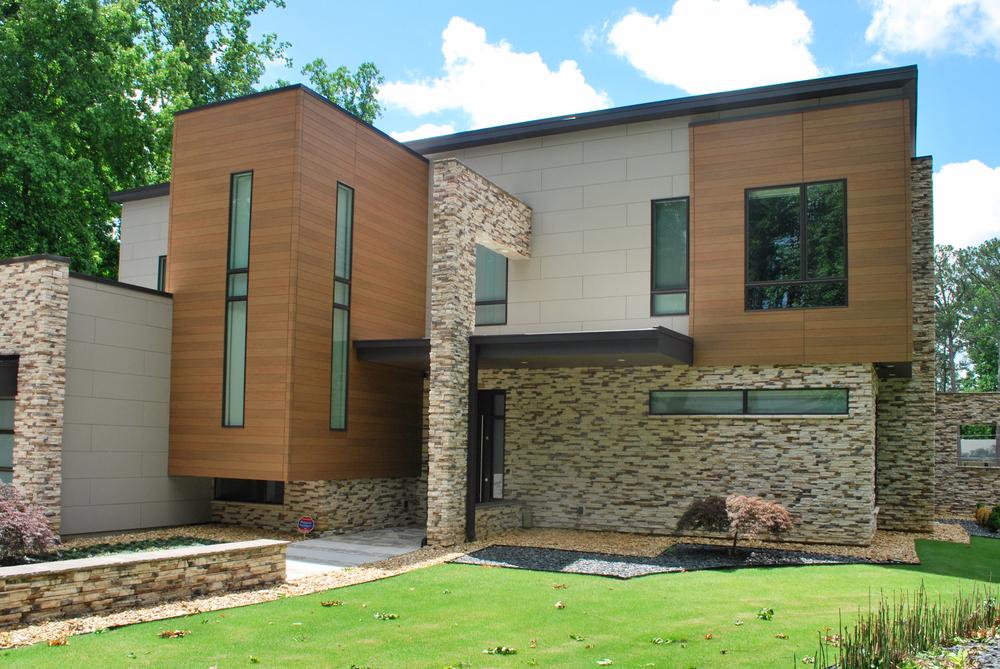
When it comes to exterior wall materials, durability is a crucial factor to consider. The longevity and resistance to weathering of these materials can significantly impact the maintenance and overall lifespan of a building.
The durability of exterior wall materials can be influenced by various factors such as material composition, installation quality, exposure to environmental elements, and maintenance practices. Proper selection and installation of materials are essential for ensuring longevity.
Regular maintenance is key to preserving the durability of exterior wall materials. Some practices that can help enhance longevity include:
When it comes to the energy efficiency of a building, the choice of exterior wall materials plays a crucial role. Different wall materials have varying thermal properties that can impact the amount of heat transfer between the interior and exterior of a structure.
In this section, we will explore how different exterior wall materials can affect the energy efficiency of a building.
Insulation is a key component in improving the energy efficiency of exterior walls. By adding insulation to the walls, the heat transfer between the interior and exterior of the building can be minimized, reducing the need for heating and cooling systems.
Proper insulation can help maintain a comfortable indoor temperature year-round and lower energy costs. It is important to choose the right type and amount of insulation based on the specific requirements of the building and the climate in which it is located.
What factors should I consider when choosing exterior wall materials?
When selecting exterior wall materials, it’s essential to factor in cost, durability, and energy efficiency to ensure a well-rounded choice that meets your needs in the long run.
Are there any low-cost exterior wall materials that are durable and energy-efficient?
Yes, certain materials like vinyl siding or fiber cement offer a good balance of affordability, durability, and energy efficiency, making them popular choices for many homeowners.
How can maintenance practices impact the durability of exterior walls?
Regular maintenance such as cleaning, sealing, and repairing cracks can significantly enhance the lifespan and durability of exterior wall materials, ensuring they withstand the test of time.
Does insulation play a crucial role in improving the energy efficiency of exterior walls?
Absolutely, proper insulation helps regulate indoor temperatures, reducing the need for excessive heating or cooling, thus improving the overall energy efficiency of a building.